
Diesel engines rely on several interconnected systems to keep emissions in check and performance steady. One of the most important of these is the exhaust gas recirculation system, commonly known as EGR. When this system starts to struggle, the effects show up gradually, often mistaken for unrelated engine issues. Understanding the early warning signs can help fleet owners and diesel truck operators avoid bigger repair bills down the road.
At Kenvo Technology, diesel engine care is approached with a focus on long-term reliability rather than quick fixes. This article walks through seven signs that your engine may need an exhaust gas recirculation machine service, along with practical information on how the EGR system works and what maintenance can do to extend its life.
What Does the EGR System Do
The EGR system routes a portion of exhaust gas back into the engine’s intake to lower combustion temperatures. This process reduces the formation of nitrogen oxides, which are a major contributor to air pollution. Over time, soot, oil residue, and carbon deposits build up inside the EGR valve, cooler, and connecting passages. When this buildup restricts flow, the engine can no longer regulate combustion temperature properly, leading to a chain of performance and emissions problems.
A dedicated exhaust gas recirculation egr system cleaning restores proper flow through these components without requiring full replacement, which is often more cost effective than swapping out parts that still have useful life left in them.
1. Reduced Fuel Efficiency
One of the earliest and most noticeable signs of EGR trouble is a drop in fuel economy. When carbon deposits restrict the EGR valve, the engine’s control module compensates by adjusting fuel delivery, often resulting in less efficient combustion. Drivers or fleet managers who track mileage closely may notice a gradual decline over several weeks or months rather than a sudden change.
If fuel costs are climbing without a clear explanation, it is worth having the EGR system checked before assuming the issue lies elsewhere.
2. Rough Idling or Inconsistent Engine Performance
A diesel engine with a blocked or sticking EGR valve often idles unevenly. This happens because the valve is not opening and closing at the correct intervals, disrupting the balance of air and exhaust gas entering the combustion chamber. Operators may notice the engine shaking slightly at stoplights or struggling to maintain a steady idle speed.
This symptom can be subtle at first, but it tends to worsen as deposits continue to accumulate.
3. Increased Black Smoke From the Exhaust
Excess soot in the exhaust is a common indicator of incomplete combustion, which is frequently linked to EGR problems. When the system fails to regulate exhaust flow correctly, the air-fuel mixture becomes imbalanced, leading to visible black smoke, particularly during acceleration or under load.
While smoke can have several causes, persistent black exhaust combined with other symptoms on this list points toward the EGR system as a likely culprit.
4. Check Engine Light and Diagnostic Trouble Codes
Modern diesel engines are equipped with sensors that monitor EGR flow, temperature, and valve position. When readings fall outside expected ranges, the engine control module logs a diagnostic trouble code and triggers the check engine light. Codes related to EGR flow insufficiency or EGR valve position are among the most common triggers connected to this system.
Ignoring these warnings can allow the underlying blockage to worsen, eventually affecting other components such as the turbocharger or diesel particulate filter.
5. Loss of Power During Acceleration
A restricted EGR system can interfere with the engine’s ability to breathe properly, resulting in noticeable power loss, especially when climbing grades or hauling heavy loads. This happens because the engine control module may reduce fuel delivery in response to inaccurate EGR readings, protecting the engine but sacrificing performance in the process.
For commercial drivers, this loss of power can translate directly into longer trip times and reduced productivity, making it worth addressing early.
6. Unusual Engine Noises
A failing or clogged EGR valve can sometimes produce a ticking or ratting sound, particularly at idle. This noise often results from the valve sticking partially open or closed rather than moving smoothly through its full range. While engine noises can stem from many sources, an EGR related tick is usually most noticeable when the engine is cold and tends to fade slightly as it warms up.
7. Failed Emissions Testing
Since the EGR system exists specifically to reduce nitrogen oxide emissions, a malfunctioning unit is a frequent cause of failed emissions inspections. Vehicles that previously passed without issue may suddenly fail if carbon buildup has reduced EGR flow below acceptable levels.
For fleet operators, repeated emissions failures can lead to compliance issues and downtime, both of which are avoidable with routine maintenance using a proper exhaust gas recirculation fuel machine.
Common Causes of EGR System Problems
| Cause | Effect on EGR System | Typical Symptom |
|---|---|---|
| Carbon and soot buildup | Restricts valve movement and flow passages | Rough idle, power loss |
| Low quality fuel or oil | Accelerates deposit formation | Reduced fuel efficiency |
| Infrequent maintenance | Allows deposits to harden over time | Diagnostic trouble codes |
| Extended idling | Increases soot accumulation | Black smoke, ticking noise |
| Cooling system issues | Affects EGR cooler performance | Overheating, failed emissions test |
Why Regular EGR Maintenance Matters
Skipping EGR maintenance does not just affect performance. It can shorten the lifespan of connected components like the diesel particulate filter and turbocharger, since these systems work together to manage emissions and engine efficiency. A buildup left unaddressed for too long may require valve or cooler replacement instead of a straightforward cleaning service, which is a more costly and time consuming repair.
Routine servicing with a purpose built diesel EGR fuel machine canada operators trust can remove deposits from the entire EGR pathway, including the valve, cooler, and intake passages, restoring the system closer to its original operating condition.
How an EGR Machine Service Works
A professional exhaust gas recirculation machine service typically involves circulating a specialized cleaning solution through the EGR system while the engine runs. This process breaks down carbon and soot deposits without requiring the technician to fully disassemble the valve or cooler in most cases. Compared to manual cleaning or part replacement, this method is generally faster and less invasive, making it a practical option for scheduled maintenance visits.
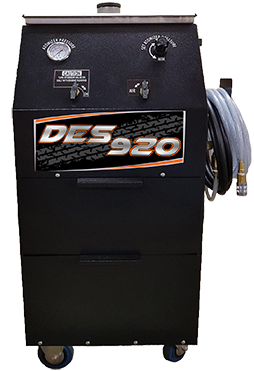
Equipment such as the exhaust gas recirculation machine used in professional service settings is designed to reach areas that are otherwise difficult to access, helping ensure a more thorough clean than manual methods alone.
Signs It Is Time to Schedule a Service
Fleet managers and individual diesel owners can use the following checklist as a general guide for when to book an EGR service appointment.
- Fuel consumption has increased without a change in driving habits
- The engine idles roughly or stalls occasionally
- Exhaust smoke has become darker or more frequent
- A check engine light has appeared with EGR related codes
- Acceleration feels noticeably weaker than usual
- Ticking or rattling noises are present at idle
- A recent emissions test resulted in a failure
If two or more of these signs are present, scheduling an inspection sooner rather than later can help prevent more extensive repairs.
Choosing the Right Equipment and Fluids
Not all EGR cleaning solutions and machines are built the same. Using equipment designed specifically for diesel EGR systems, paired with the correct cleaning fluid, matters for both effectiveness and safety. Products like the diesel EGR fuel machine canada fleets rely on are formulated to break down diesel specific carbon deposits without damaging sensitive components such as sensors or seals.
For shops and technicians looking to add EGR servicing to their maintenance offerings, investing in a reliable exhaust gas recirculation fuel machine and compatible canister system can make the process more consistent across different vehicle makes and models.
Frequently Asked Questions
1. How often should an EGR system be serviced?
This depends on vehicle usage, but many diesel manufacturers recommend inspection every 30,000 to 50,000 kilometers, or sooner if symptoms appear. Vehicles used for heavy towing or extended idling may need more frequent attention.
2. Can a dirty EGR system damage other engine parts?
Yes. A restricted EGR system can place extra strain on the turbocharger and diesel particulate filter, potentially leading to premature wear or failure of those components if left unaddressed.
3. Is EGR machine cleaning better than replacing the valve?
In many cases, yes. Cleaning restores flow without the cost of a full replacement, provided the valve itself is not physically damaged. A technician can assess whether cleaning is sufficient or if replacement is needed.
4. Does EGR maintenance affect fuel economy?
Yes. A properly functioning EGR system helps the engine maintain the correct air-fuel ratio, which supports more consistent fuel efficiency compared to a system with restricted flow.
Final Thoughts
Recognizing the early signs of EGR trouble can save diesel owners and fleet operators from more expensive repairs and unnecessary downtime. Reduced fuel efficiency, rough idling, exhaust smoke, dashboard warnings, power loss, unusual noises, and emissions test failures are all indicators that the system needs attention.
Routine maintenance using the right equipment and fluids remains one of the most effective ways to keep a diesel engine’s EGR system functioning as intended. For questions about servicing schedules or equipment options, feel free to contact us to discuss what fits your specific maintenance needs.