
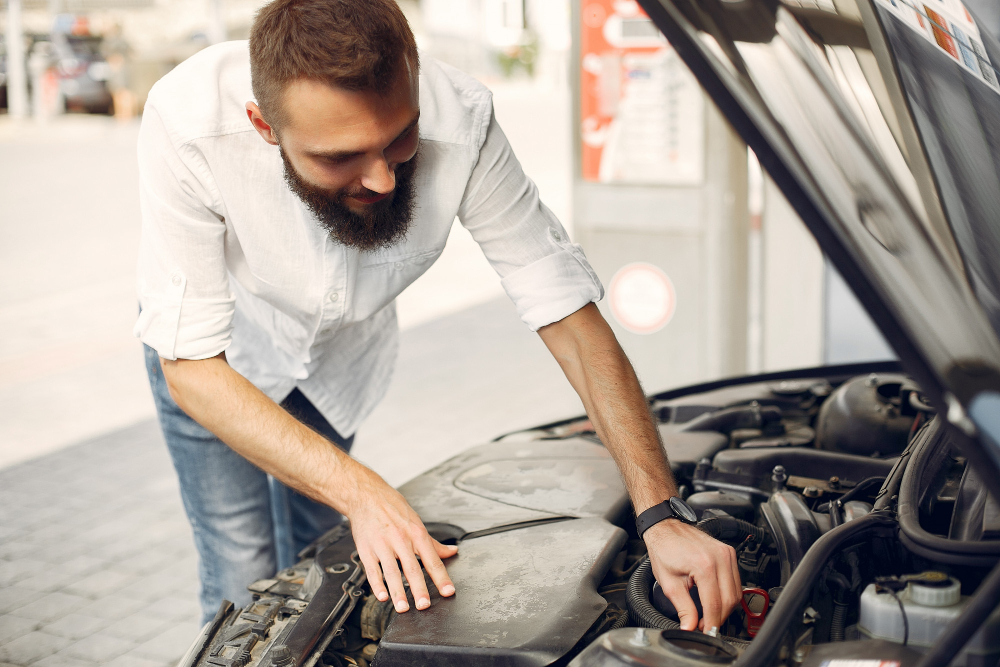
Vehicle braking systems are designed to operate reliably under a wide range of conditions, but their performance depends heavily on proper maintenance. While brake pads and rotors are commonly inspected and replaced, brake fluid is often overlooked. A Brake Fluid Flush is a critical service that ensures braking systems continue to function safely and efficiently, particularly in Canada’s challenging climate.
Brake fluid transfers force from the brake pedal to the braking components through a hydraulic system. Over time, this fluid absorbs moisture, which reduces its effectiveness and can lead to internal corrosion. In Canada, where vehicles are exposed to extreme cold, road salt, and frequent temperature changes, understanding how often brake fluid should be flushed is especially important.
This article explains recommended brake fluid flush intervals in Canada, the factors that influence fluid degradation, warning signs to watch for, and the role of modern brake flush machines in maintaining braking safety.
What Is a Brake Fluid Flush?
A Brake Fluid Flush is a maintenance procedure that removes old brake fluid from the entire braking system and replaces it with fresh fluid. Unlike topping up fluid levels, a full flush ensures that contaminated fluid, moisture, and trapped air are eliminated from brake lines, calipers, and the master cylinder.
Professional service centres typically use specialized equipment rather than manual bleeding methods. Many workshops rely on automotive service tools and systems available through platforms such as Kenvo’s automotive equipment solutions to perform brake servicing with greater accuracy and consistency.
Why Brake Fluid Needs Regular Replacement
Brake fluids are hygroscopic, meaning they naturally absorb moisture from the surrounding air. Even in sealed systems, moisture enters gradually through rubber hoses and seals.
How Moisture Affects Brake Performance
- Lowers the fluid’s boiling point
- Increases the risk of brake fade during heavy braking
- Causes internal corrosion of brake lines and ABS components
- Leads to a soft or spongy brake pedal
In colder climates, absorbed moisture can freeze and thaw repeatedly, accelerating wear and reducing braking consistency.
How Often Should You Perform a Brake Fluid Flush in Canada?
A Brake Fluid Flush should typically be performed every two years or 40,000 to 60,000 kilometres in Canada, as cold temperatures and moisture exposure can cause brake fluid to degrade faster than in milder climates.
General Manufacturer Guidelines
Most vehicle manufacturers recommend performing a Brake Fluid Flush every 2 to 3 years or 40,000 to 60,000 kilometres, whichever comes first. These guidelines are based on average driving conditions and may not fully account for Canada’s environment.
Canadian Climate Considerations
Canada’s climate plays a significant role in brake fluid degradation. Long winters, frequent freeze-thaw cycles, and road salt exposure increase moisture contamination. For this reason, many technicians recommend performing a brake fluid flush Canada drivers can rely on every two years, even if the vehicle manufacturer suggests a longer interval.
Regular flushing helps maintain consistent braking performance throughout the year.
Driving Habits That Influence Brake Fluid Lifespan
Beyond climate, driving habits also affect how quickly brake fluid degrades.
Higher-Stress Driving Conditions
- Urban stop-and-go traffic
- Driving in hilly or mountainous regions
- Towing trailers or carrying heavy loads
- Frequent hard braking
These conditions increase brake temperatures and place additional stress on brake fluid, making timely flushing more important.
Signs You May Need a Brake Fluid Flush
Brake fluid deterioration often occurs gradually, but certain warning signs indicate that service may be required sooner than scheduled.
Common Warning Indicators
- Spongy or soft brake pedal
- Increased stopping distance
- Brake warning light illumination
- Dark or cloudy brake fluid
- Inconsistent braking response
If any of these symptoms appear, a Brake Fluid Flush should be performed promptly to prevent further damage.
The Role of Brake Fluid Flush Machines
Brake fluid flush machines ensure complete removal of old fluid and accurate replacement with new fluid for safer and more efficient braking.
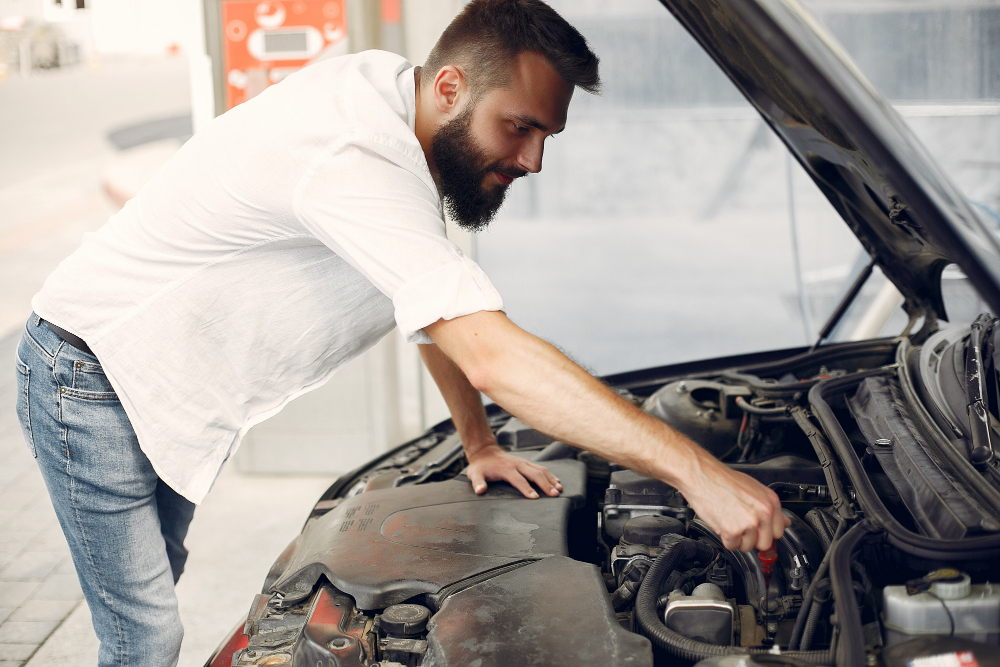
What Is a Brake Fluid Flush Machine?
A brake fluid flush machine is a professional device that removes old brake fluid while simultaneously introducing new fluid at controlled pressure. This process ensures complete fluid exchange without introducing air into the system.
Many workshops rely on automated systems outlined in Kenvo’s brake flush machine service overview, which explains how controlled pressure and continuous fluid flow improve service reliability, particularly for modern vehicles with ABS and electronic stability systems.
Why Manual Brake Bleeding Is Less Reliable
Traditional manual bleeding methods depend heavily on technician experience and can result in uneven pressure or incomplete fluid replacement.
Limitations of Manual Methods
- Inconsistent fluid circulation
- Higher risk of trapped air
- Residual contaminated fluid remaining in the system
- Longer service time
Modern brake systems benefit significantly from automated brake flush machines designed to meet manufacturer specifications.
Professional Brake Flush Equipment and Vehicle Compatibility
Different vehicles require different service capabilities, which is why workshops often use multiple machine configurations.
For example, standard passenger vehicles can be serviced using equipment like the BFS-110 brake flush service machine, while higher-volume service centres may rely on the BFS-115 brake flush service unit to handle increased demand. Workshops servicing a wide range of vehicles often use advanced systems such as the BFS-125 brake flush system for precise fluid control and broader compatibility.
These machines help ensure that brake fluid is replaced thoroughly and safely across different vehicle types.
Choosing the Right Brake Fluid for Canadian Conditions
Brake fluids are classified by DOT ratings, each offering different performance characteristics.
Common Brake Fluid Types
- DOT 3 for standard passenger vehicles
- DOT 4 for higher boiling points and better moisture resistance
- DOT 5.1 for performance or heavy-duty applications
In Canada, DOT 4 or DOT 5.1 fluids are often preferred due to improved performance in cold and moisture-prone environments. Always follow the vehicle manufacturer’s specifications when selecting brake fluid.
Environmental and Safety Considerations
Brake fluid is considered hazardous waste and must be handled responsibly.
Safe Handling Practices
- Used brake fluid should be collected in sealed containers
- Disposal must follow environmental regulations
- Automated brake flush machines reduce spills and contamination
Using professional equipment supports safer working conditions and environmentally responsible servicing.
When Is the Best Time to Schedule a Brake Fluid Flush?
Many Canadian drivers schedule a Brake Fluid Flush during routine maintenance or before winter. Cold weather increases moisture-related risks, making pre-winter servicing a practical choice.
Drivers seeking professional guidance can consult providers offering professional brake flush services in Edmonton to better understand appropriate service intervals and procedures.