
Maintaining diesel-powered fleets requires regular attention to emission control systems, fuel efficiency, and engine performance. One of the most important components in modern diesel engines is the Exhaust Gas Recirculation (EGR) system, which helps reduce nitrogen oxide (NOx) emissions by redirecting a portion of exhaust gases back into the combustion process.
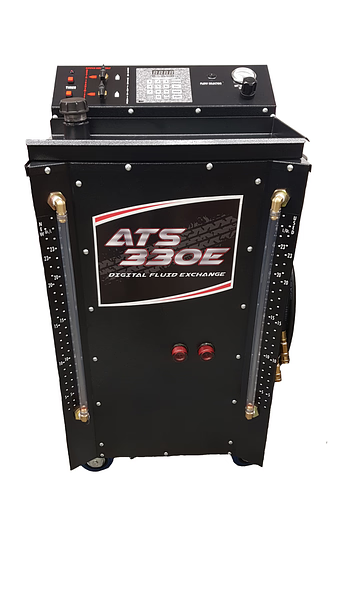
Over time, carbon deposits, soot, and contaminants can build up inside the EGR system, affecting engine performance and increasing maintenance requirements. Fleet owners looking for effective maintenance solutions often rely on advanced equipment such as a diesel EGR fuel machine Canada solution to clean and service these systems efficiently.
Kenvo Technology provides specialized diesel service equipment designed to support workshops, technicians, and fleet maintenance operations. Understanding how EGR cleaning machines work, their benefits, and when they are required can help fleet owners make informed decisions about diesel vehicle maintenance.
What Is a Diesel EGR Fuel Machine?
A diesel EGR fuel machine is specialized equipment designed to clean and maintain diesel engine EGR systems. The machine circulates cleaning solutions through the EGR components to remove carbon buildup, deposits, and contaminants that can restrict airflow and reduce system efficiency.
Unlike traditional manual cleaning methods, an exhaust gas recirculation fuel machine provides a more controlled and efficient approach. It allows technicians to service EGR components without completely removing certain parts from the vehicle, reducing labour time and improving maintenance consistency.
Modern diesel engines depend heavily on emission control systems. When these systems become blocked or inefficient, vehicles may experience reduced fuel economy, lower engine performance, increased emissions, and warning lights on the dashboard.
Understanding the Exhaust Gas Recirculation EGR System
The exhaust gas recirculation EGR system is designed to control harmful emissions produced during diesel combustion. It works by redirecting a controlled amount of exhaust gases back into the engine intake system.
This process lowers combustion temperatures and helps reduce the formation of nitrogen oxides. While the system plays an important role in meeting emission standards, it is also exposed to soot and carbon particles from exhaust gases.
The main components of an EGR system include:
| EGR Component | Function |
|---|---|
| EGR Valve | Controls the flow of recirculated exhaust gases |
| EGR Cooler | Reduces exhaust gas temperature before entering the intake |
| Intake System | Receives recirculated gases for combustion control |
| Sensors | Monitor EGR operation and engine performance |
| Control Module | Regulates system activity based on engine conditions |
Regular inspection and cleaning of these components help maintain proper engine operation and emission performance.
Why EGR Systems Need Regular Cleaning
Diesel engines naturally produce soot and carbon during combustion. Over time, these materials can accumulate inside the EGR valve, cooler, and related passages.
Common causes of EGR buildup include:
- Frequent short-distance driving
- Extended idling periods
- Poor-quality fuel
- Heavy-duty vehicle operation
- Lack of scheduled maintenance
- High engine operating hours
When deposits restrict the EGR system, the engine may struggle to maintain proper airflow and combustion balance.
Some common signs of EGR problems include:
- Reduced engine power
- Increased fuel consumption
- Rough idling
- Excessive exhaust smoke
- Engine warning lights
- Poor acceleration
- Higher emissions
For fleet operators, ignoring these warning signs can result in increased downtime and unexpected repair expenses.
How an Exhaust Gas Recirculation Machine Works
An exhaust gas recirculation machine is designed to assist technicians in cleaning EGR-related components by using specialised cleaning fluids and controlled circulation processes.
The general cleaning process includes:
1. Vehicle assessment: Technicians inspect the EGR system and identify possible carbon buildup or performance issues.
2. Machine connection: The cleaning equipment is connected to the appropriate EGR service points.
3. Cleaning circulation: A cleaning solution is circulated through the system to loosen and remove deposits.
4. System evaluation: After cleaning, technicians check system operation and vehicle performance.
5. Maintenance recommendations: Additional repairs or preventive maintenance may be suggested if required.
Using dedicated equipment provides a consistent cleaning process compared with manual methods, especially when servicing multiple fleet vehicles.
Benefits of Using a Diesel EGR Fuel Machine in Fleet Maintenance
Fleet owners manage multiple vehicles that require reliable performance and predictable maintenance schedules. Investing in proper EGR servicing equipment can support better maintenance planning.
1. Helps Maintain Engine Efficiency
Carbon deposits can restrict exhaust gas flow and affect combustion performance. Regular EGR cleaning helps maintain proper system operation and supports consistent engine efficiency.
2. Reduces Unplanned Vehicle Downtime
Fleet downtime directly impacts productivity. A reliable cleaning process allows maintenance teams to address EGR-related issues before they develop into major engine problems.
3. Supports Emission Compliance
Diesel vehicles must meet strict emission requirements. Maintaining the EGR system helps ensure that emission control components continue functioning correctly.
4. Improves Maintenance Scheduling
Fleet managers can include EGR cleaning as part of a preventive maintenance program rather than waiting for system failures.
5. Extends Component Life
Removing carbon deposits regularly may help reduce stress on EGR components and other connected engine parts.
Diesel EGR Maintenance for Canadian Fleet Conditions
Canadian fleet operators often deal with challenging operating conditions, including cold temperatures, long-distance transportation, and heavy-duty vehicle usage. These factors can influence diesel engine performance and maintenance requirements.
Cold weather operation may increase idling time, while commercial vehicles travelling long distances can accumulate significant engine hours. Both situations can contribute to carbon buildup in emission systems.
A proper maintenance plan using equipment such as the diesel EGR fuel service solutions offered by Kenvo Technology can help workshops and fleet operators manage EGR system servicing more effectively.
Choosing the Right EGR Cleaning Equipment
Selecting the correct EGR cleaning equipment depends on several factors, including vehicle type, service requirements, and workshop needs.
Fleet owners and service providers should consider:
| Factor | Importance |
|---|---|
| Vehicle Compatibility | Ensures the equipment works with different diesel applications |
| Cleaning Capability | Determines how effectively deposits can be removed |
| Ease of Operation | Helps technicians complete servicing efficiently |
| Equipment Reliability | Supports regular workshop use |
| Maintenance Support | Provides assistance when required |
A suitable machine should match the maintenance requirements of the vehicles being serviced.
Kenvo Technology Diesel EGR Equipment Solutions
Workshops and fleet maintenance providers require dependable equipment that supports professional servicing procedures. Kenvo Technology provides diesel maintenance solutions designed for automotive and commercial vehicle applications.
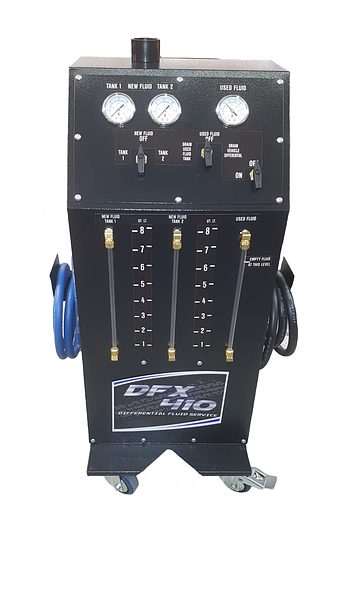
The DEFs-910 Diesel EGR Fuel Service equipment is designed to support EGR cleaning procedures by providing controlled servicing capabilities for diesel systems.
Another option is the DES-915 Diesel EGR Machine Service Canister, which supports EGR maintenance applications where specialised cleaning solutions are required.
Understanding the correct equipment requirements and service procedures helps technicians perform maintenance more effectively while supporting vehicle reliability.
Preventive Maintenance Tips for Fleet Owners
Regular maintenance planning can help prevent EGR-related issues and improve vehicle availability.
Fleet owners should consider the following practices:
1. Follow Manufacturer Maintenance Recommendations
Vehicle manufacturers provide maintenance schedules based on operating conditions and engine requirements. Following these guidelines helps identify issues early.
2. Monitor Vehicle Performance
Changes in fuel consumption, acceleration, or engine behaviour may indicate developing EGR problems.
3. Reduce Excessive Idling
Long periods of idling can contribute to soot accumulation. Limiting unnecessary idling may help reduce carbon buildup.
4. Schedule Regular Inspections
Routine inspections allow technicians to identify early signs of EGR restrictions before they affect vehicle operation.
5. Maintain Fuel Quality
Using suitable diesel fuel and maintaining fuel system components supports overall engine health.
Difference Between Manual Cleaning and Machine-Based EGR Cleaning
| Manual EGR Cleaning | Machine-Based EGR Cleaning |
|---|---|
| Requires more labour time | Provides a controlled cleaning process |
| May require component removal | Can reduce the need for extensive disassembly |
| Depends heavily on technician experience | Provides consistent servicing procedures |
| May not be suitable for large fleets | Better suited for regular fleet maintenance |
For businesses managing multiple diesel vehicles, machine-based servicing can provide a more structured approach to EGR maintenance.
Frequently Asked Questions About Diesel EGR Fuel Machines
1. What is a diesel EGR fuel machine used for?
A diesel EGR fuel machine is used to clean and service diesel engine EGR systems by removing carbon deposits and improving system operation.
2. How often should an EGR system be cleaned?
The cleaning interval depends on vehicle usage, engine type, operating conditions, and manufacturer recommendations. Fleet vehicles operating under heavy loads may require more frequent inspections.
3. Can an EGR cleaning machine improve fuel economy?
A blocked EGR system can affect engine efficiency. Proper cleaning may help restore normal operation, which can support improved fuel performance.
4. Why do diesel engines develop EGR carbon buildup?
Diesel combustion produces soot particles that can accumulate inside EGR valves, coolers, and passages over time.
Conclusion
A properly maintained EGR system plays an important role in diesel engine performance, fuel efficiency, and emissions control. For Canadian fleet owners, investing in appropriate maintenance solutions such as a diesel EGR fuel machine Canada can help manage carbon buildup and support preventive vehicle servicing.
Understanding how EGR systems work and using suitable cleaning equipment allows maintenance teams to improve service efficiency and reduce unexpected vehicle issues. To learn more about available diesel maintenance solutions or discuss equipment requirements, businesses can contact Kenvo Technology for further information.