
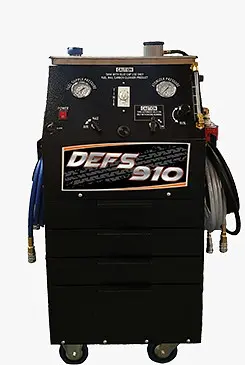
Diesel engines are known for their durability and efficiency, but they face strict environmental regulations. To meet these standards, modern diesel engines rely on specific emission control components. One such component is the exhaust gas recirculation egr system. Over time, this system requires specialized maintenance to function correctly. This is where an exhaust gas recirculation machine becomes essential. In this post, we will explore the primary advantages of utilizing this equipment for diesel engine maintenance. For industry professionals seeking reliable maintenance solutions, Kenvo Technology provides advanced equipment designed for these specific applications.
Understanding the Exhaust Gas Recirculation EGR System
Before discussing the equipment used for maintenance, it is important to understand the system itself. The exhaust gas recirculation egr system is an emission control technology designed to reduce nitrogen oxide (NOx) emissions in internal combustion engines.
During combustion, high temperatures cause nitrogen and oxygen in the air to bond, forming NOx. These emissions are harmful to the environment and human health. The EGR system works by redirecting a portion of the engine’s exhaust gas back into the intake manifold. This dilutes the oxygen intake and lowers the combustion temperature, which significantly reduces the formation of NOx.
While this process is effective for emission control, it introduces carbon soot and unburned fuel back into the engine intake. Over time, these byproducts accumulate and restrict airflow, leading to performance issues. Companies with a background in emission control understand that routine maintenance of these pathways is not optional, but rather a requirement for engine health.
The Role of an Exhaust Gas Recirculation Machine
Because the EGR system is prone to clogging, mechanics and fleet maintenance teams use specialized cleaning equipment. An exhaust gas recirculation machine is designed to remove carbon deposits and stubborn soot from the EGR valve, coolers, and associated pipework without requiring complete disassembly of the engine.
Traditional cleaning methods often involve manual scraping or soaking parts in harsh chemicals, which can be time-consuming and potentially damaging to delicate components. Modern equipment uses a combination of specialized cleaning solutions and controlled pressure to dissolve and flush out carbon buildup safely. Utilizing professional diesel EGR fuel services ensures that the cleaning process is thorough and does not leave behind residue that could cause further blockages down the line.
Key Benefits of Using an Exhaust Gas Recirculation Fuel Machine
Integrating this equipment into your maintenance routine provides several operational advantages. Below are the primary benefits of keeping the EGR system clean.
1. Significant Reduction in NOx Emissions
The primary purpose of the EGR system is emissions reduction. When the pathways are blocked by carbon, the system cannot recirculate the correct amount of exhaust gas. This causes combustion temperatures to rise, leading to a spike in NOx output. By using a dedicated machine to clean the system, you restore its ability to lower combustion temperatures. Equipment like the DEF 910 model is specifically calibrated to handle the intricate passageways of diesel EGR components, ensuring the system meets stringent environmental regulations.
2. Prevention of Carbon Buildup
Carbon buildup is an unavoidable byproduct of diesel combustion. When exhaust gas is recirculated, the soot inevitably coats the inside of the EGR valve and cooler. If left untreated, this buildup hardens into a crusty layer that is difficult to remove. Regular cleaning with an exhaust gas recirculation fuel machine prevents this carbon from solidifying. The machine circulates cleaning agents that break down soot at a molecular level, keeping the valves moving freely and the internal passages clear.
3. Extended Engine Lifespan
A clogged EGR system forces the engine to work harder. It can lead to increased exhaust backpressure, which puts unnecessary strain on the turbocharger and engine gaskets. Furthermore, improper airflow can cause the engine to run at less-than-ideal air-to-fuel ratios, resulting in incomplete combustion. By maintaining a clean system using appropriate service tools, such as the DES 915 service canister, you reduce mechanical stress on the engine. This proactive maintenance translates directly to a longer operational lifespan for the diesel engine and fewer major repairs over time.
4. Improved Fuel Efficiency
When an EGR system is restricted, the engine control unit (ECU) attempts to compensate for the altered air intake. This compensation often results in altered fuel injection timing and increased fuel consumption to maintain power output. A clean EGR system allows the ECU to operate with accurate sensor readings, optimizing the air-to-fuel ratio. Utilizing an exhaust gas recirculation fuel machine restores the system to its factory specifications, which helps maintain optimal fuel economy and reduces the overall operating costs of the vehicle or machinery.
5. Compliance with Regional Emission Standards
Different regions have specific regulations regarding diesel emissions. For operators working in North America, maintaining compliance is critical to avoiding fines and keeping vehicles roadworthy. In colder climates, where diesel engines are subjected to frequent idle times and short trips, carbon buildup happens rapidly. In regions with harsh winters, a diesel EGR fuel machine Canada based operators utilize must effectively handle heavy, compacted soot. Using the right equipment ensures that fleets remain compliant with local and federal emission testing standards, regardless of the operating environment.
Comparison: Maintained vs. Unmaintained EGR Systems
To better understand the impact of regular maintenance, review the following table outlining the differences between a maintained and an unmaintained EGR system.
| Feature | Maintained EGR System | Unmaintained EGR System |
|---|---|---|
| NOx Emissions | Consistently low and compliant | Elevated, risking regulatory fines |
| Engine Performance | Smooth power delivery, no lag | Hesitation, rough idling, turbo lag |
| Fuel Consumption | Optimal, matching manufacturer specs | Increased due to ECU compensation |
| Component Wear | Minimal, standard operational wear | High risk of turbo and gasket failure |
| Maintenance Costs | Predictable, lower long-term costs | Unpredictable, expensive emergency repairs |
Why Professional Maintenance Matters
While some operators attempt to clean EGR valves manually, this approach has significant limitations. Manual cleaning often cannot reach the internal passages of the EGR cooler, which is where the most severe blockages typically occur. Additionally, improper handling of EGR components can lead to stripped bolts or damaged seals, resulting in costly leaks.
Professional maintenance using a dedicated exhaust gas recirculation machine ensures that the entire system is addressed. The process involves connecting the machine directly to the system, allowing the cleaning solution to flow through every narrow passage. Manufacturers like Kenvo Technology engineer these machines to deliver the precise pressure and chemical concentration required to dissolve carbon without damaging aluminum or plastic components.
Integrating EGR Maintenance into Routine Service Schedules
For fleet managers and independent mechanics, integrating EGR cleaning into standard service intervals is a strategic decision. Rather than waiting for failure, preventative maintenance keeps vehicles on the road and out of the shop.
The frequency of cleaning depends on the application. Vehicles operating in heavy stop-and-go traffic, construction sites, or cold weather conditions will require more frequent attention than highway cruising vehicles. Establishing a baseline inspection schedule allows technicians to monitor carbon buildup and perform cleaning before it impacts performance. Relying on a dedicated machine makes this preventative approach both time-efficient and cost-effective.
Frequently Asked Questions
How often should a diesel EGR system be cleaned?
The cleaning interval depends on the vehicle’s duty cycle. Heavy-duty applications, such as towing or construction, may require cleaning every 40,000 to 60,000 miles. Lighter applications can often go 80,000 to 100,000 miles.
Can an exhaust gas recirculation machine clean the EGR cooler?
Yes. While manual cleaning only addresses the valve, a specialized machine pumps cleaning solution through the entire system, including the internal tubes of the EGR cooler, which are otherwise difficult or impossible to reach without removal.
Is EGR cleaning safe for diesel particulate filters (DPF)?
The EGR system and the DPF are separate components, though they work together to manage emissions.
What are the long-term cost savings of using an exhaust gas recirculation fuel machine?
The long-term savings are substantial. Regular cleaning prevents costly replacements of EGR valves and coolers.
Conclusion
Maintaining the health of a diesel engine requires attention to its emission control components. The exhaust gas recirculation egr system plays a critical role in reducing harmful pollutants, but it requires regular upkeep to function correctly. Utilizing an exhaust gas recirculation machine provides a thorough, non-invasive method for removing carbon deposits, lowering NOx emissions, and restoring engine efficiency. By integrating this technology into routine maintenance schedules, operators can avoid costly repairs, extend engine life, and ensure compliance with environmental regulations. For professional maintenance solutions and equipment specifications, we encourage you to contact our technical support team to discuss your specific diesel engine requirements.