
Fuel costs are a constant concern for anyone who operates diesel trucks, vans or equipment. When mileage drops, drivers look for causes: injectors, filters, tyres, driving habits. One cause that gets less attention is a dirty emissions system. Carbon deposits inside the EGR circuit can quietly change how an engine breathes and burns fuel.
This is where an exhaust gas recirculation fuel machine enters the discussion. Companies such as Kenvo Technology build service equipment for workshops that clean these systems without major disassembly. But does the process actually improve fuel efficiency, or is it just routine maintenance with a hopeful label? This article explains how the EGR circuit works, how carbon buildup affects economy, what the equipment does, and what results are realistic.
What Does an Exhaust Gas Recirculation EGR System Do?
To judge whether cleaning helps, it is worth understanding what the system is for. The exhaust gas recirculation egr system sends a measured portion of exhaust gas back into the intake so the engine burns a slightly diluted air and fuel mixture.
How EGR Lowers Emissions
Diesel engines run lean and hot, and high combustion temperatures produce nitrogen oxides (NOx). Exhaust gas contains little oxygen, so mixing some of it into the intake air lowers peak combustion temperature. Lower temperature means less NOx leaving the tailpipe. An EGR valve, a cooler and connecting passages control how much gas is returned and when.
Where Carbon Buildup Comes From
Diesel exhaust carries soot and unburned hydrocarbons. Passing it through the intake system mixes those particles with oil vapour from the crankcase ventilation system. Over time this forms a sticky, hard deposit on the EGR valve, inside the cooler, along the intake manifold and around the throttle body. Short trips, long idling periods and stop-and-go duty cycles speed the process because the engine rarely reaches a temperature that helps burn deposits away.
How Carbon Buildup Affects Fuel Efficiency
A clean EGR circuit meters gas accurately. A fouled one does not. Several things can go wrong:
- A sticking valve. Deposits can hold the valve partly open or partly closed. Too much recirculated gas reduces power, and the driver responds by pressing the pedal harder.
- Restricted intake passages. Carbon narrows the airflow path, so the engine draws less fresh air than the control unit expects.
- A clogged cooler. Hot recirculated gas raises intake temperatures, which can affect combustion quality.
- More frequent particulate filter regeneration. If the engine produces more soot, the filter fills faster and regeneration cycles, which burn extra fuel, occur more often.
- Fault codes and limp mode. Some engines reduce power when EGR readings fall outside expected limits.
Each of these is a small loss on its own. Together they can produce noticeably higher consumption, rough running and reduced power. That is why maintenance of the intake and EGR side is closely linked to economy.
What Is an Exhaust Gas Recirculation Fuel Machine?
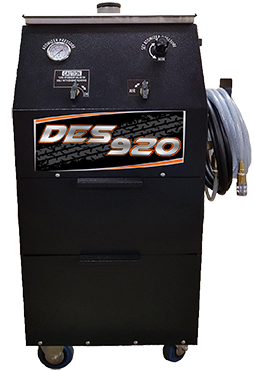
An exhaust gas recirculation fuel machine is a piece of service equipment that delivers cleaning solution to the EGR circuit and, in some designs, the fuel system while the engine runs. The idea is to dissolve and carry away deposits using the engine’s own airflow and combustion, rather than removing the valve and cooler for manual scrubbing.
Machine and Canister Based Service Equipment
Workshop equipment comes in different formats. The DEFS 910 diesel EGR fuel service is an example of a machine designed for diesel EGR and fuel cleaning work. Canister based tools take a more compact approach: the DES 915 diesel EGR machine service canister holds the cleaning fluid and connects to the vehicle for the treatment. The best choice depends on shop volume, the range of vehicles serviced and how portable the equipment needs to be. Anyone comparing options will find that an exhaust gas recirculation machine designed for diesel engines usually differs from a general fuel system tool in the fluids it uses and how it feeds them into the intake.
What a Typical Service Involves
Procedures vary by vehicle and equipment, but a service generally follows this order:
- Inspection. The technician checks for fault codes, visible leaks, damaged hoses and signs of heavy carbon buildup.
- Connection. The machine or canister is connected according to the manufacturer’s instructions for that engine.
- Cleaning cycle. The solution is introduced while the engine runs, softening and removing deposits from the circuit.
- Fluid or system flush. Depending on the process, contaminated material is cleared from the system.
- Testing. The technician runs the engine, checks for codes and confirms stable idle and normal response.
Kenvo reports that a service commonly takes 30 to 60 minutes, depending on the vehicle and the condition of the system. Heavily fouled engines may need more than a fluid based treatment, such as mechanical cleaning or part replacement.
Can It Really Improve Fuel Efficiency?
The honest answer is that it can, in the right situation. An EGR service does not add efficiency an engine never had. It helps restore efficiency lost to deposits. If the circuit is already clean, the gain will be small or absent. If it is significantly restricted, cleaning may return the engine closer to its intended airflow and combustion behaviour, which supports better economy.
Several points are worth keeping in mind:
- Results depend on the starting condition of the engine, its age and its duty cycle.
- No percentage improvement can be promised for every vehicle.
- Worn injectors, a failing turbocharger, low tyre pressure or a dragging brake will keep consumption high regardless of EGR cleaning.
- Regular servicing tends to work better as prevention than as a last resort.
The table below shows how common symptoms relate to EGR conditions and what a service may address.
| Symptom | Possible EGR related cause | What service may address |
|---|---|---|
| Rising fuel consumption | Restricted intake or sticking valve upsetting the air and fuel balance | Deposit removal to restore airflow and valve movement |
| Loss of power | Too much or too little recirculated gas | Cleaner valve operation and more accurate metering |
| Rough idle or stalling | Valve held open by carbon | Freeing the valve and clearing passages |
| Black or heavy exhaust smoke | Poor combustion linked to restricted air supply | Improved airflow into the cylinders |
| Frequent filter regeneration | Higher soot output | Reduced soot from better combustion |
| EGR fault codes | Carbon in valve, cooler or sensors | Cleaning, followed by inspection to confirm the cause |
A service is most valuable when it targets a confirmed deposit problem. It is not a substitute for diagnosis, and a technician should rule out electrical faults, failed sensors and mechanical wear when codes appear.
Signs Your Diesel Engine May Need EGR Service
Watch for these warning signs before consumption climbs too far:
- Noticeable drop in mileage with no change in load or route
- Hesitation, reduced acceleration or a sluggish throttle response
- Rough idling or occasional stalling when the engine is warm
- Darker exhaust smoke than usual
- A check engine light related to EGR flow, valve position or boost pressure
- More frequent particulate filter regeneration
Fleets often schedule preventive service according to hours or distance, since the cost of downtime can exceed the cost of the service. Consult the manufacturer’s maintenance guidance and adjust for heavy idling, short trips or towing.
Diesel EGR Fuel Machine Canada: Why Conditions Matter
Operating conditions across the country place extra demands on diesel engines. Long cold winters mean many cold starts, extended idling and shorter warm-up periods, all of which encourage soot and carbon formation. Heavy haul, oilfield, agricultural and construction work often involves low-speed, high-load operation and long idle periods, which can also promote deposits.
For these reasons, workshops and fleets often look for a diesel EGR fuel machine canada suppliers can support locally, with equipment, fluids and technical guidance available nearby. Access to spare parts and fittings also matters because equipment sits in daily use and needs to stay available. Anyone reading about the company behind this equipment can visit the about Kenvo page for background on its products and the industries it serves.
Practical Tips for Getting the Best Result
Getting the most from any exhaust gas recirculation fuel machine service depends on more than the equipment itself. Consider these steps:
- Diagnose first. Confirm that the symptoms point to deposits and not a failed component.
- Use quality fluids. The cleaning solution should be intended for diesel EGR and intake systems.
- Follow the procedure. Connection points, engine speed and treatment time matter, so follow the equipment maker’s instructions and the vehicle manufacturer’s guidance.
- Record a baseline. Note fuel consumption before and after service over a comparable route and load. Without measurements, it is hard to judge the benefit.
- Service on a schedule. Preventive cleaning is easier and less costly than treating a badly blocked circuit.
- Combine with general maintenance. Fresh air and fuel filters, correct oil grade and a healthy cooling system all support economy.
Conclusion
An exhaust gas recirculation fuel machine can help improve fuel efficiency when carbon buildup is the underlying problem. By clearing deposits from the EGR valve, passages and intake path, the service helps the engine breathe and burn fuel as designed. It will not correct unrelated faults, and outcomes vary by engine, condition and duty cycle. Treat it as one part of a sound maintenance plan built on diagnosis, correct procedures and regular checks.
Workshops and fleet managers who want to discuss equipment options, compatibility with specific engines or service planning can contact us to speak with the team. Those who want a broader look at available solutions can also browse the diesel EGR fuel services page.
Frequently Asked Questions
How does an exhaust gas recirculation fuel machine help fuel efficiency?
It cleans carbon deposits from the EGR valve, passages and intake path. When airflow and valve operation return closer to normal, combustion becomes more consistent, which supports better economy in engines that were affected by deposits.
How often should a diesel EGR system be serviced?
There is no single interval. It depends on the engine, fuel quality and how the vehicle is used. Heavy idling, short trips and stop-and-go work usually call for more frequent attention. Check the manufacturer’s maintenance recommendations and adjust based on symptoms and inspection results.
Is EGR cleaning the same as removing or disabling the EGR system?
No. Cleaning keeps the system working as designed. Removing or disabling emissions equipment is a different matter and may be illegal, affect compliance and cause engine faults. A service restores the existing system.
How long does an EGR service take?
Many services take roughly 30 to 60 minutes, though time varies with the vehicle, the equipment and how much buildup is present. Severe fouling may require additional work beyond a fluid based treatment.