
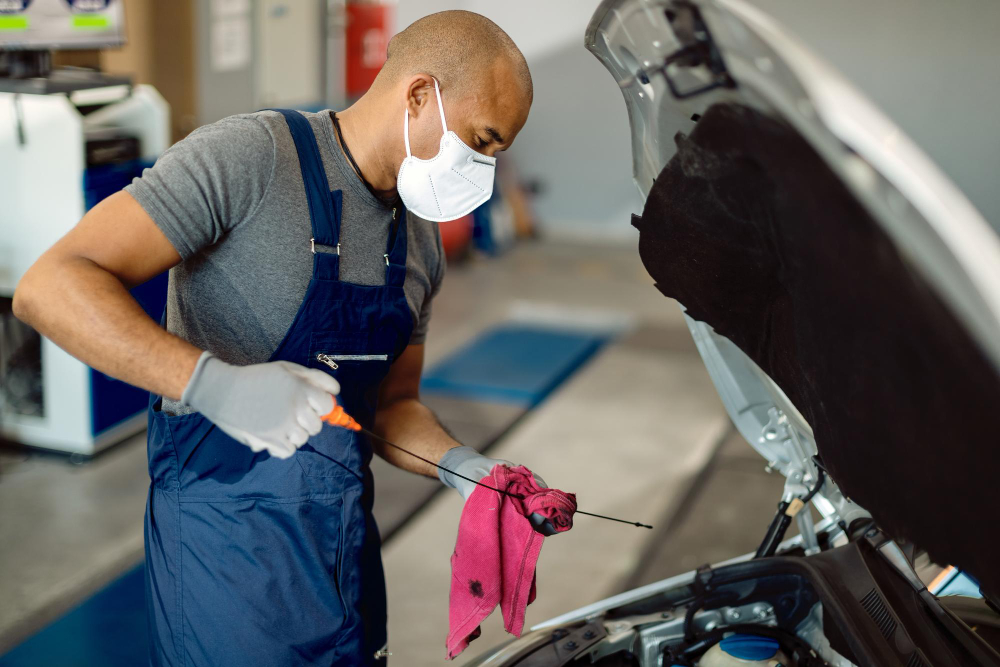
Brake system maintenance is one of the most critical aspects of vehicle servicing, yet it is often overlooked or performed incorrectly. A properly executed brake fluid service ensures safety, improves braking response, and extends the life of braking components. However, technicians frequently encounter issues when using a brake flush machine due to improper handling, lack of maintenance, or incorrect procedures.
Brands like Kenvo Technology provide advanced solutions and guidance for workshops looking to improve efficiency and accuracy in brake servicing. Their systems are widely used in professional environments where precision and safety are priorities. You can learn more about the company through their official platform at Kenvo Technology
This guide explains the most common mistakes made when using a brake flush machine and how to avoid them to ensure consistent and safe results.
Understanding the Role of a Brake Flush Machine
A brake flush machine is designed to remove old, contaminated brake fluid from the braking system and replace it with fresh fluid. Over time, brake fluid absorbs moisture, dirt, and debris, which reduces braking efficiency and increases the risk of brake failure.
A modern fluid brake change machine ensures controlled pressure, proper fluid exchange, and reduced human error during the service process. Systems like the ones discussed on Kenvo Brake Fluid Machines Workshop Efficiency highlight how automation improves workshop productivity and consistency.
Despite its advantages, incorrect usage can lead to system contamination, air intrusion, or brake performance issues.
Common Mistakes When Using a Brake Flush Machine
1. Using Contaminated Brake Fluid
One of the most frequent mistakes is using contaminated or incorrect brake fluid in the brake fluid flush machine. Even small impurities can affect the hydraulic system and reduce braking efficiency.
Brake fluid should always meet manufacturer specifications and be stored properly to avoid moisture absorption.
Workshops that follow structured maintenance procedures, such as those outlined in Brake Flush Machine Service, significantly reduce contamination risks.
2. Incorrect Machine Setup
Improper setup of the brake flush machine can result in uneven pressure distribution or incomplete fluid replacement. This is especially common in workshops that do not regularly calibrate their equipment.
Technicians should always ensure that hoses, connectors, and adapters are securely fitted before beginning the service. A poorly connected system can introduce air into the brake lines, leading to spongy brakes.
3. Ignoring Vehicle-Specific Requirements
Different vehicles require different brake fluid types and pressure settings. Using a universal approach with a brake fluid flush machine can lead to inefficiencies or even damage.
Always refer to manufacturer specifications before starting the flush process. Ignoring these requirements is one of the leading causes of improper brake maintenance in workshops.
4. Not Bleeding the System Properly
Air trapped in the brake lines is a serious issue. It reduces hydraulic pressure and compromises braking performance.
A common mistake is rushing the bleeding process or failing to follow the correct sequence. A proper fluid exchange using a brake fluid flush machine ensures that air is fully removed from all brake lines.
5. Overlooking Regular Machine Maintenance
Like any workshop equipment, a fluid brake change machine requires routine maintenance. Neglecting this can lead to pressure inconsistencies, leaks, or inaccurate fluid delivery.
Regular inspection of seals, hoses, and pumps ensures long-term reliability. Many workshops follow structured service routines similar to those described at Kenvo Brake Fluid Machines Workshop Efficiency.
Importance of Proper Brake Fluid Flushing
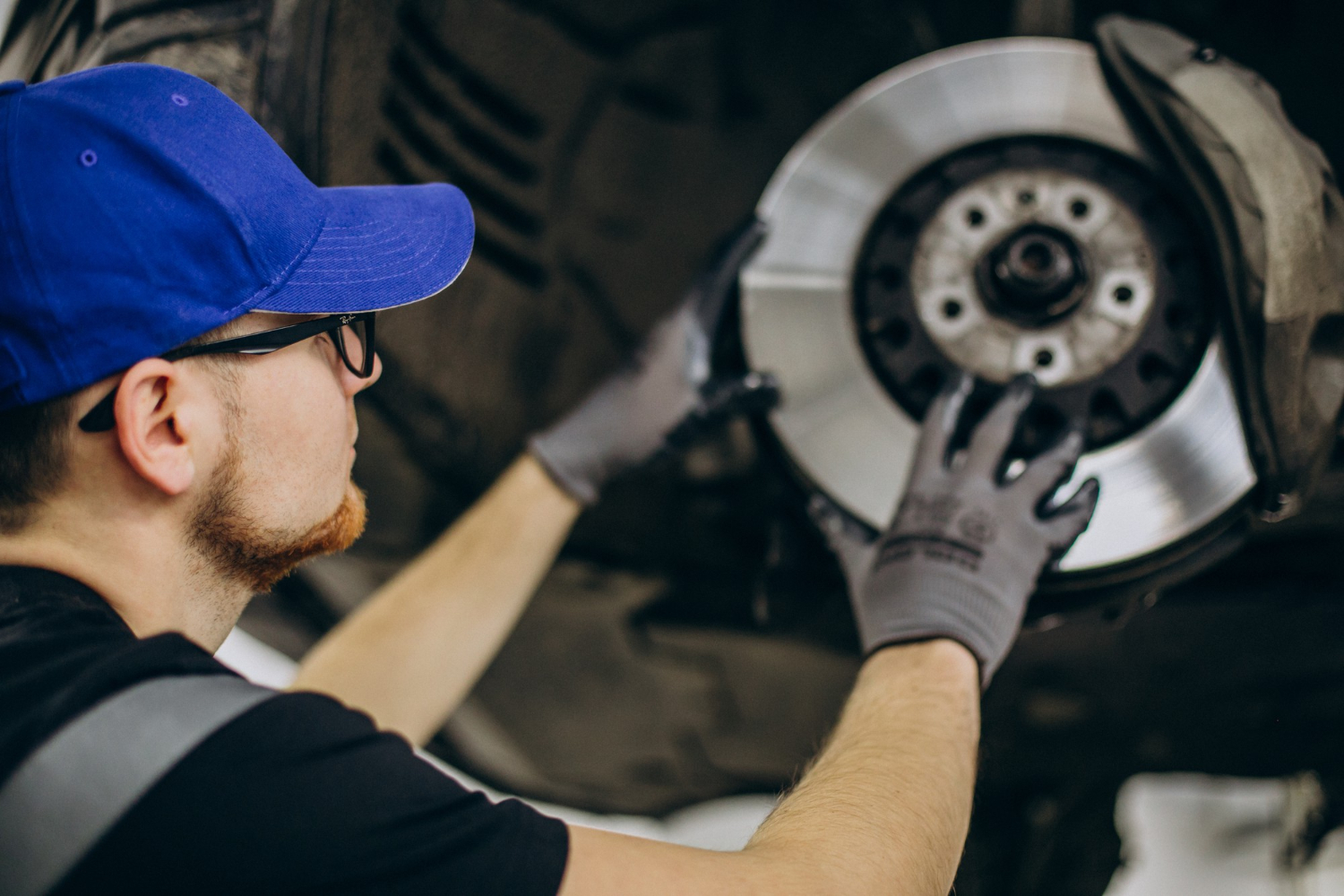
A proper brake fluid flush is essential for maintaining vehicle safety. Old brake fluid absorbs moisture, which lowers its boiling point and increases the risk of brake fade under heavy use.
In regions like Canada, where temperature variations are extreme, maintaining proper brake fluid quality is especially important. Searches for brake fluid flush Canada and brake flush machine Canada reflect the growing awareness of proper maintenance standards in the automotive industry.
Using advanced systems ensures that fluid exchange is complete and contamination-free.
Choosing the Right Brake Flush Machine
Selecting the right equipment plays a major role in preventing service errors. Workshops should look for machines that offer:
- Stable pressure control
- Compatibility with multiple vehicle models
- Easy calibration and maintenance
- Reliable fluid exchange systems
A well-designed brake fluid flush machine reduces manual errors and improves workshop productivity.
One such example is the BFS-110 model, designed for efficiency and precision in professional environments. More details are available at BFS-110 Brake Flush Service Machine.
How Proper Training Reduces Errors
Even the most advanced equipment can produce poor results if the operator lacks proper training. Technicians must understand:
- Correct machine setup procedures
- Vehicle-specific brake system requirements
- Safe fluid handling practices
- Proper bleeding techniques
Training programs and technical support provided through professional platforms such as Kenvo Brake Fluid Machines Workshop Efficiency help workshops maintain high service standards.
The Impact of Preventive Maintenance in Workshops
Preventive maintenance is essential for both vehicles and equipment. For brake systems, regular flushing prevents corrosion and internal damage. For machines, maintenance ensures consistent performance.
Workshops that follow preventive maintenance schedules reduce breakdowns and improve service accuracy. More structured guidance can be found at Brake Flush Machine Service.
Improving Workshop Efficiency with Advanced Systems
Modern workshops rely heavily on automation to improve productivity. A well-designed brake fluid flush machine reduces service time while increasing accuracy.
Efficient systems allow technicians to handle more vehicles without compromising quality. This not only improves workflow but also enhances customer satisfaction.
More insights into workshop optimization are available at Kenvo Brake Fluid Machines Workshop Efficiency.
About Kenvo Technology and Industry Standards
Modern brake servicing equipment is built around precision engineering and safety compliance. Companies like Kenvo Technology focus on developing solutions that meet global workshop standards.
Their systems are designed to reduce human error, improve consistency, and support technicians in delivering reliable brake maintenance services.
More information about the company background is available at About Kenvo Technology
When to Service or Replace Brake Fluid Equipment
Even high-quality machines require servicing over time. Signs that a brake flush machine needs attention include:
- Inconsistent pressure output
- Slow fluid transfer
- Visible leaks or worn hoses
- Error messages in electronic systems
Timely servicing ensures uninterrupted workshop operations. Professional assistance can be requested through Brake Flush Machine Service.
Conclusion
Using a brake flush machine correctly is essential for maintaining vehicle safety and ensuring consistent brake performance. Avoiding common mistakes such as improper setup, incorrect fluid usage, and lack of maintenance can significantly improve service quality.
Workshops that invest in training, proper equipment, and preventive maintenance are better positioned to deliver reliable results.
For professional assistance or inquiries related to brake fluid service systems, you can reach out through the official contact page: Contact Kenvo Technology.