
Brake maintenance is one of the most important aspects of vehicle safety, yet many drivers overlook the condition of their brake fluid. While brake pads and rotors often receive attention during routine maintenance, brake fluid is equally essential to ensuring responsive and reliable braking performance. Over time, brake fluid absorbs moisture, becomes contaminated, and gradually loses its effectiveness.
At Kenvo Technology, automotive professionals recognize the importance of maintaining clean and efficient brake systems. Proper brake fluid maintenance helps improve safety, protect critical brake components, and ensure consistent vehicle performance throughout the year.
For Canadian drivers, understanding when to schedule a brake fluid flush is especially important because of changing seasons, road salt exposure, moisture, and fluctuating temperatures. This guide explains how often brake fluid should be replaced, why it matters, and how modern brake service equipment helps workshops perform the process efficiently.
Understanding Brake Fluid and Its Role
Brake fluid is a hydraulic fluid that transfers force from the brake pedal to the braking components located at each wheel. When a driver presses the brake pedal, hydraulic pressure travels through the brake lines, activating the braking system and slowing the vehicle.
Unlike engine oil, brake fluid is designed to maintain hydraulic pressure rather than lubricate moving parts. However, brake fluid has one important characteristic: it naturally absorbs moisture from the environment over time.
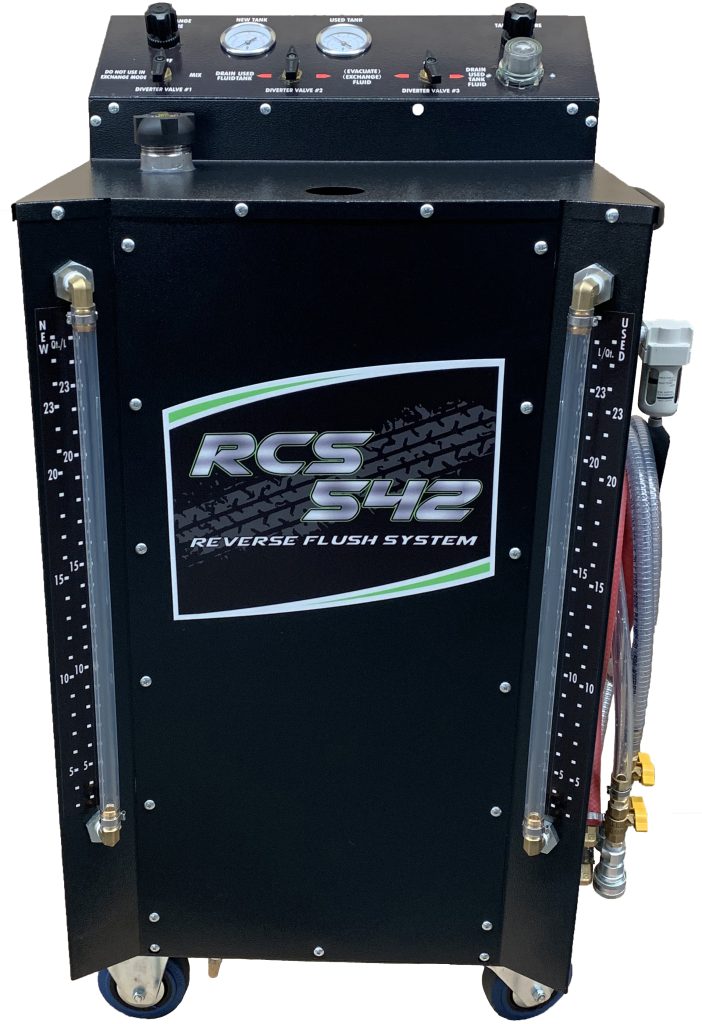
As moisture levels increase, brake fluid performance can deteriorate. This is why many workshops rely on advanced brake flush machine canada equipment to remove contaminated fluid and replace it with fresh fluid.
Why Brake Fluid Flushes Are Important in Canada
Canada’s climate can be demanding on vehicle systems. Drivers regularly encounter:
- Snow and ice
- Road salt
- Rain and humidity
- Extreme temperature fluctuations
- Long highway driving distances
These conditions can accelerate moisture contamination and increase wear on braking components.
Reduced Boiling Point
Fresh brake fluid has a high boiling point that allows it to function effectively under intense braking conditions. However, as moisture accumulates, the boiling point decreases.
When brake fluid becomes too hot, water contamination can cause vapor formation within the hydraulic system. Because vapor compresses more easily than liquid, braking performance may become inconsistent.
Corrosion Risks
Moisture contamination can also promote corrosion inside:
- Brake lines
- Calipers
- Master cylinders
- ABS modules
- Hydraulic components
Routine maintenance using a professional brake fluid flush machine helps remove moisture and contaminants before significant damage occurs.
How Often Should You Perform a Brake Fluid Flush?
Most vehicle manufacturers recommend replacing brake fluid every two to three years or between 40,000 and 60,000 kilometres. However, the ideal interval varies depending on vehicle usage and environmental conditions.
Follow Manufacturer Guidelines
Always consult the owner’s manual for specific maintenance recommendations. Some manufacturers recommend:
- Every 24 months
- Every 36 months
- Based on mileage intervals
- Based on brake fluid testing
Following these recommendations helps maintain optimal braking performance and prolongs component life.
Consider Driving Conditions
Drivers who regularly operate their vehicles under demanding conditions may require more frequent brake fluid service.
Examples include:
- Heavy city traffic
- Commercial fleet operations
- Frequent towing
- Mountain driving
- Severe winter conditions
In these situations, technicians may recommend earlier service intervals.
Moisture Testing
Many modern service facilities test brake fluid moisture content before recommending replacement.
If moisture levels exceed safe limits, a brake fluid flush may be necessary even if the manufacturer’s mileage interval has not been reached.
Workshops commonly use a fluid brake change machine to ensure complete and accurate fluid replacement.
Signs Your Brake Fluid Needs Attention
Drivers should watch for symptoms that may indicate deteriorating brake fluid.
1. Soft or Spongy Brake Pedal: A brake pedal that feels soft or requires additional pressure may indicate moisture contamination or trapped air within the hydraulic system.
2. Increased Stopping Distance: Longer stopping distances may suggest reduced hydraulic efficiency caused by degraded brake fluid.
3. Dark or Contaminated Fluid: Fresh brake fluid typically appears clear or light amber. Dark, cloudy, or dirty fluid may indicate contamination and the need for replacement.
4. Brake Warning Light: Many modern vehicles include warning systems that monitor brake system performance and fluid conditions.
5. ABS System Performance Issues: Contaminated brake fluid can negatively affect anti-lock braking system performance and contribute to costly repairs.
Using a professional brake flush machine helps ensure complete fluid replacement throughout the braking system.
What Happens During a Brake Fluid Flush?
A brake fluid flush involves removing old hydraulic fluid and replacing it with fresh fluid that meets manufacturer specifications.
Step 1: Inspection
Technicians inspect the brake system, fluid condition, reservoir, and hydraulic components. This initial assessment helps identify contamination, leaks, or worn components that could affect braking performance and safety.
Step 2: Fluid Removal
Old fluid is extracted from the reservoir and brake lines. Removing contaminated fluid helps eliminate moisture, debris, and impurities that can reduce braking efficiency.
Step 3: System Flushing
Fresh brake fluid is circulated through the braking system to remove contaminants and moisture. This process ensures the hydraulic system is filled with clean fluid that meets manufacturer specifications.
Step 4: Air Removal
The system is bled to eliminate trapped air and restore proper hydraulic pressure. Removing air bubbles is essential for maintaining a firm brake pedal and consistent braking response.
Step 5: Final Testing
Technicians verify brake pedal response, fluid levels, and overall system operation. A final inspection ensures the brake system is functioning correctly and ready for safe vehicle operation.
Many workshops use advanced brake fluid flush canada equipment to streamline this process and improve consistency.
How Modern Brake Flush Equipment Improves Service Quality
Traditional brake bleeding procedures can be labour-intensive and time-consuming. Modern brake service equipment offers several advantages.
1. Improved Accuracy: Automated systems help ensure complete fluid replacement while minimizing contamination risks.
2. Faster Service Completion: A professional brake fluid service equipment solution allows technicians to complete brake fluid maintenance more efficiently.
3. Better Air Removal: Consistent hydraulic pressure helps eliminate trapped air that may otherwise affect braking performance.
4. Increased Workshop Productivity: Automated service equipment enables technicians to complete maintenance procedures more quickly while maintaining high standards of service.
The Impact of Winter Driving on Brake Fluid
Winter conditions place additional stress on braking systems throughout Canada.
1. Temperature Fluctuations: Repeated freezing and thawing cycles can contribute to moisture accumulation within brake fluid.
2. Salt Exposure: Road salt accelerates corrosion and increases the importance of routine brake maintenance.
3. Frequent Brake Usage: Snow-covered and icy roads often require increased brake use, generating additional heat and stress within the hydraulic system.
These factors make regular brake fluid inspections particularly valuable for Canadian drivers.
Many workshops rely on advanced fluid brake change machine technology to address seasonal maintenance requirements efficiently.
Creating a Preventive Maintenance Plan
A proactive maintenance approach helps reduce the likelihood of brake-related issues.
Vehicle owners should consider:
- Annual brake inspections
- Brake fluid moisture testing
- Manufacturer-recommended service intervals
- Seasonal brake system evaluations
- Professional brake fluid replacement when necessary
Drivers interested in learning more about industry-leading service solutions can explore information about Kenvo Technology and its automotive equipment expertise.
Conclusion
Regular brake fluid maintenance plays a critical role in vehicle safety, braking performance, and long-term system reliability. While most manufacturers recommend performing a brake fluid flush every two to three years, Canadian weather conditions, road salt exposure, and driving habits may justify more frequent inspections.
Moisture contamination can reduce braking efficiency, lower the fluid’s boiling point, and contribute to corrosion throughout the hydraulic system. By following manufacturer recommendations and utilizing modern brake service technology, vehicle owners and workshops can help maintain safe and reliable braking performance.
For more information about professional brake maintenance equipment and service solutions, contact Kenvo Technology.
Frequently Asked Questions
1. How often should brake fluid be flushed in Canada?
Most manufacturers recommend a brake fluid flush every two to three years or approximately every 40,000 to 60,000 kilometres, although driving conditions may require more frequent service.
2. Why does brake fluid need to be replaced?
Brake fluid absorbs moisture over time, which reduces its effectiveness and can increase the risk of corrosion and brake system damage.
3. What are the signs of contaminated brake fluid?
Common signs include a soft brake pedal, increased stopping distance, dark fluid colour, brake warning lights, and reduced braking performance.
4. Does winter weather affect brake fluid?
Yes. Cold temperatures, humidity, and road salt exposure can contribute to moisture contamination and increase maintenance requirements.