
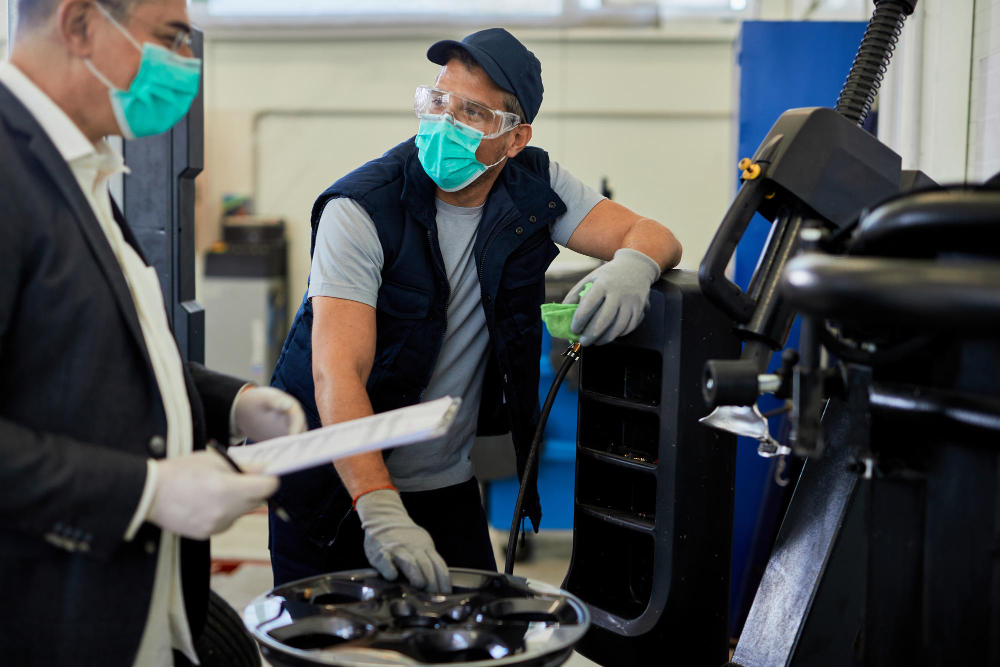
In modern automotive workshops, efficiency and precision are crucial. One key area that often affects both is the brake maintenance process. Brake systems are vital for vehicle safety, and regular maintenance, including brake fluid replacement, is essential to ensure optimal performance. This is where Kenvo brake fluid machines play a significant role in streamlining workshop operations.
Kenvo, a trusted name in automotive maintenance technology, provides a range of brake fluid flush machines designed to simplify the brake fluid exchange process, improve accuracy, and save time.
This article explores how brake fluid machines can improve workshop efficiency, the types of machines available, their advantages, and practical considerations for selecting the right system.
Why Efficient Brake Fluid Maintenance Matters
Brake fluid is a hydraulic medium that transfers force within a vehicle’s braking system. Over time, it absorbs moisture, which can lead to decreased braking performance, corrosion, and component wear. A thorough and timely brake fluid exchange ensures:
- Reliable braking performance
- Extended lifespan of brake components
- Enhanced vehicle safety
- Compliance with manufacturer recommendations
Traditional methods of brake fluid replacement can be time-consuming and prone to human error. Using a dedicated brake fluid flush machine ensures that workshops maintain high standards while reducing labor and minimizing mistakes.
How Kenvo Brake Fluid Machines Improve Workshop Efficiency
Kenvo’s brake fluid machines are designed to offer precision, speed, and consistency. Here are some of the key ways these machines enhance efficiency:
1. Faster Brake Fluid Replacement
Manual brake fluid changes often require multiple steps, including bleeding each brake line individually. A brake fluid exchange machine automates this process, allowing technicians to complete fluid replacement in a fraction of the time. This reduces vehicle downtime and increases the number of services a workshop can perform daily.
2. Accurate Fluid Measurement
Kenvo brake fluid machines precisely control the amount of fluid dispensed and removed from the brake system. Accurate measurement prevents overfilling, underfilling, and potential damage to the hydraulic system. This level of precision is critical in maintaining vehicle safety and quality service.
3. Reduces Risk of Contamination
Brake fluid is hygroscopic, meaning it absorbs moisture from the air. Contaminated brake fluid can compromise brake performance and lead to corrosion. Using a brake fluid machine minimizes the risk of contamination by providing a sealed, automated system for fluid exchange.
4. Simplifies Training for Technicians
New technicians may take time to master manual brake fluid replacement techniques. With an automated brake flush machine, training becomes faster and simpler, allowing staff to perform reliable service without extensive experience.
5. Consistent Service Quality
Standardizing the brake fluid replacement process ensures that every vehicle serviced meets manufacturer standards. Consistency improves customer satisfaction, reduces warranty claims, and enhances the workshop’s reputation.
Types of Brake Fluid Machines
Kenvo provides a range of brake fluid machines suitable for different workshop needs. Understanding the types available helps workshops select the best option:
| Type of Machine | Features | Ideal Use |
| Basic Brake Fluid Machine | Manual operation, suitable for light-duty workshops | Small-scale operations with moderate service volume |
| Automated Brake Fluid Exchange Machine | Fully automated fluid exchange, built-in diagnostic features | High-volume workshops requiring speed and accuracy |
| Mobile Brake Flush Machine | Compact, portable design for on-site service | Service centers or mobile repair units |
| Hybrid Models | Semi-automated operation with manual overrides | Workshops requiring flexibility and cost-effectiveness |
Each machine type is designed to cater to specific workshop needs, balancing cost, efficiency, and functionality. Choosing the right model depends on service volume, budget, and technical requirements.
For more details on selecting the best system, explore Kenvo’s guide on choosing the right brake fluid flush machine.
Advantages of Using Brake Fluid Machines
Implementing a brake fluid machine in a workshop offers numerous benefits:
1. Improved Workflow Efficiency
By automating the fluid exchange process, workshops can handle more vehicles in less time. This reduces bottlenecks and allows staff to focus on other maintenance tasks.
2. Enhanced Safety and Reliability
Using a professional brake fluid flush machine reduces the risk of air pockets, fluid contamination, and incorrect fluid levels, ensuring vehicles leave the workshop with fully functional brakes.
3. Cost Savings
Though the initial investment in a brake fluid machine may seem significant, the reduction in labor hours, fewer errors, and lower risk of warranty claims provide a tangible return on investment.
4. Versatility
Many modern machines support multiple fluid types, including DOT3, DOT4, and DOT5.1, allowing workshops to service a wider range of vehicles without needing separate tools.
5. Eco-Friendly Fluid Handling
Efficient machines reduce waste and ensure that old brake fluid is safely collected for disposal, supporting environmentally responsible workshop practices.
Brake Fluid Flush Canada: Regional Considerations
In Canada, automotive regulations and environmental standards influence workshop operations. A brake fluid flush machine ensures compliance by:
- Providing accurate fluid measurement to avoid overfilling
- Reducing the risk of spillage and contamination
- Streamlining the disposal of used fluid according to local guidelines
Workshops across Canada increasingly adopt automated brake fluid machines to meet these standards while improving operational efficiency.
Factors to Consider When Choosing a Brake Fluid Machine
Selecting the right brake fluid machine involves several considerations:
1. Service Volume: High-volume workshops may require fully automated machines, while smaller shops might benefit from semi-automated or mobile units.
2. Fluid Compatibility: Ensure the machine supports the range of brake fluids used in the vehicles serviced, including DOT3, DOT4, and DOT5.1.
3. Maintenance Requirements: A reliable machine with low maintenance requirements ensures minimal downtime and long-term operational efficiency.
4. Training and Ease of Use: Technicians should be able to operate the machine efficiently with minimal training. User-friendly interfaces and clear instructions are essential.
5. Warranty and Support: Choosing a machine backed by comprehensive support ensures quick resolution of technical issues, preserving workshop productivity.
For additional guidance, workshops can review Kenvo’s brake flush machine service to understand maintenance and support options.
Best Practices for Using Brake Fluid Machines
Implementing a brake fluid machine effectively requires adhering to best practices:
- Regular Calibration: Ensure machines are calibrated to provide accurate fluid measurements.
- Fluid Quality Checks: Always use high-quality brake fluid recommended by vehicle manufacturers.
- Clean Environment: Operate the machine in a clean area to avoid contamination.
- Documentation: Maintain service records for every fluid exchange to track maintenance history.
- Technician Training: Periodic refresher courses ensure technicians stay proficient in machine operation.