
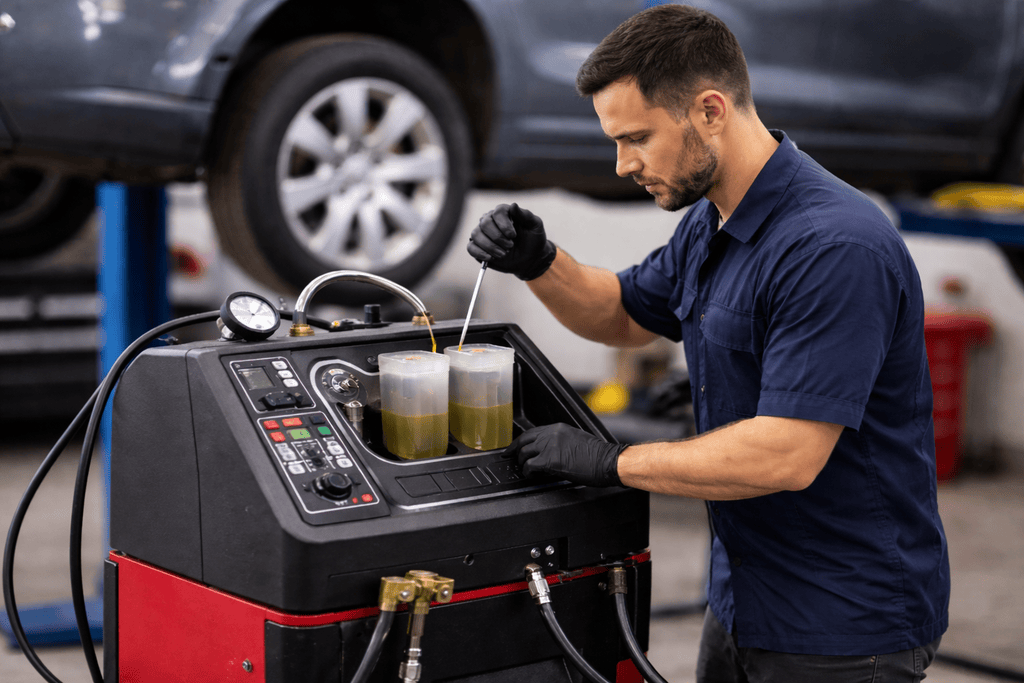
Maintaining a brake fluid machine is essential for ensuring reliable performance, workshop efficiency, and accurate service delivery. Whether you operate a small auto repair shop or a large-scale service center, proper upkeep of your brake fluid machine can significantly reduce downtime and extend equipment lifespan.
At the forefront of advanced workshop solutions is Kenvo Technology, a trusted name in professional automotive service equipment. Investing in a high-quality system such as a brake fluid flush machine is only the first step. Consistent maintenance ensures that your equipment continues to deliver safe and efficient brake fluid services for years.
This guide outlines practical, workshop-ready maintenance strategies to help you extend the life of your brake fluid machine while maintaining consistent service standards.
Why Maintenance of a Brake Fluid Machine Matters
A brake fluid machine is responsible for removing contaminated brake fluid and replacing it with fresh fluid to maintain braking system safety. Without proper maintenance, the machine itself can become a source of contamination, inaccurate pressure delivery, or system failure.
Regular servicing is especially important for workshops offering brake fluid flush Canada services, where vehicle safety standards and customer expectations are high. Proper upkeep ensures:
- Accurate fluid pressure control
- Reduced contamination risks
- Consistent brake system performance
- Longer equipment lifespan
- Lower repair costs
For an overview of professional servicing options, visit brake flush machine service.
Understanding How a Brake Fluid Flush Machine Works
Before discussing maintenance, it helps to understand the core components of a brake fluid flush machine:
Fluid Reservoir and Tanks
These hold fresh brake fluid and collect used fluid. Contamination in these tanks directly affects performance. Regular inspection and cleaning help prevent debris buildup and maintain fluid purity.
Pumps and Pressure Regulators
These components ensure consistent pressure delivery during the flush process. Proper calibration is essential to avoid overpressurizing the vehicle’s brake system.
Hoses and Connectors
Flexible lines connect the machine to vehicle brake systems. Wear and tear here is common. Replacing damaged hoses promptly prevents leaks and pressure loss during operation.
Electronic Controls
Modern systems include digital interfaces that monitor pressure and flow. Routine system checks ensure accurate readings and reduce the risk of operational errors.
Machines like the BFS-110 Brake Flush Service model are engineered for durability, but even high-quality units require routine care.
Daily Maintenance Tips
Performing simple daily checks helps ensure your brake fluid machine operates safely and efficiently. Regular inspection and cleaning can prevent minor issues from developing into costly repairs or unexpected downtime.
1. Inspect Hoses and Fittings
At the end of each workday:
- Check hoses for cracks or soft spots
- Inspect connectors for leaks
- Ensure fittings are secure
Damaged hoses can introduce air into the system, affecting performance during brake fluid flush Canada services.
2. Clean External Surfaces
Brake fluid is corrosive. Wipe down the machine to prevent residue buildup that may damage surfaces or internal seals over time.
3. Drain Waste Fluid Tank
Never allow used fluid to remain in the collection tank for extended periods. Old brake fluid can cause internal corrosion and odor buildup.
Weekly Maintenance Procedures
Weekly maintenance helps maintain consistent performance and prevents internal wear. Scheduling routine checks and cleaning cycles ensures your brake fluid machine continues to operate efficiently under regular workshop use.
4. Flush Internal Lines
Running a cleaning cycle with manufacturer-approved fluid helps remove residue from internal passages. This is especially important if you operate a high-volume brake flush machine Canada workshop.
5. Check Pressure Calibration
Inconsistent pressure can lead to incomplete fluid exchange. Verify that your fluid brake change machine maintains accurate pressure readings.
If you notice irregularities, consult professional servicing options through Kenvo brake fluid machines workshop efficiency resources.
Monthly Maintenance Checklist
A structured monthly inspection helps identify wear and performance issues before they affect service quality. Checking seals, pumps, filters, and electrical components ensures your brake fluid machine continues operating efficiently and safely over the long term.
6. Inspect Seals and O-Rings
Rubber components deteriorate over time due to fluid exposure. Replace worn seals to prevent leaks and maintain pressure consistency.
7. Examine Pump Performance
Listen for unusual noises during operation. Grinding or irregular sounds may indicate internal wear.
8. Inspect Electrical Connections
Loose wiring or corroded connectors can disrupt digital systems in modern brake fluid flush machines.
Proper Storage Practices
Improper storage is a leading cause of premature equipment failure.
1. Keep the Machine in a Controlled Environment
Store your brake fluid flush machine in a dry, temperature-controlled area. Extreme temperatures can damage seals and electronic components.
2. Avoid Direct Sunlight
UV exposure can degrade plastic components and hoses.
3. Keep Dust Away
Dust particles can contaminate brake fluid during service operations.
Using the Correct Brake Fluid
Always use manufacturer-approved brake fluid. Mixing incompatible fluid types can:
- Damage internal components
- Reduce system effectiveness
- Void warranties
Workshops providing brake fluid flush Canada services must adhere to fluid compatibility standards to maintain quality control.
Avoid Over pressurizing the System
Over pressurization can damage internal pumps and vehicle brake systems.
Most professional fluid brake change machine models include built-in pressure regulation. However, operators should:
- Verify pressure settings before use
- Follow vehicle manufacturer recommendations
- Avoid exceeding recommended PSI levels
Training technicians properly reduces mechanical stress on the equipment.
Replace Filters Regularly
Many brake fluid machines contain internal filters that trap contaminants. Failing to replace filters can:
- Restrict flow
- Overwork pumps
- Introduce contamination
Consult your equipment manual for filter replacement intervals.
For professional support, refer to About Kenvo to understand the manufacturer’s standards and servicing guidance.
Monitor Usage Frequency
High-volume workshops using a brake flush machine Canada solution should track:
- Number of daily flushes
- Average pressure settings
- Fluid types used
Maintaining a log helps predict component wear and schedule preventive maintenance before breakdowns occur.
Software and System Updates
If your brake fluid flush machine includes digital monitoring or firmware systems:
- Install updates when available
- Back up system settings
- Verify calibration after updates
Modern equipment benefits from periodic technical reviews to maintain optimal performance.
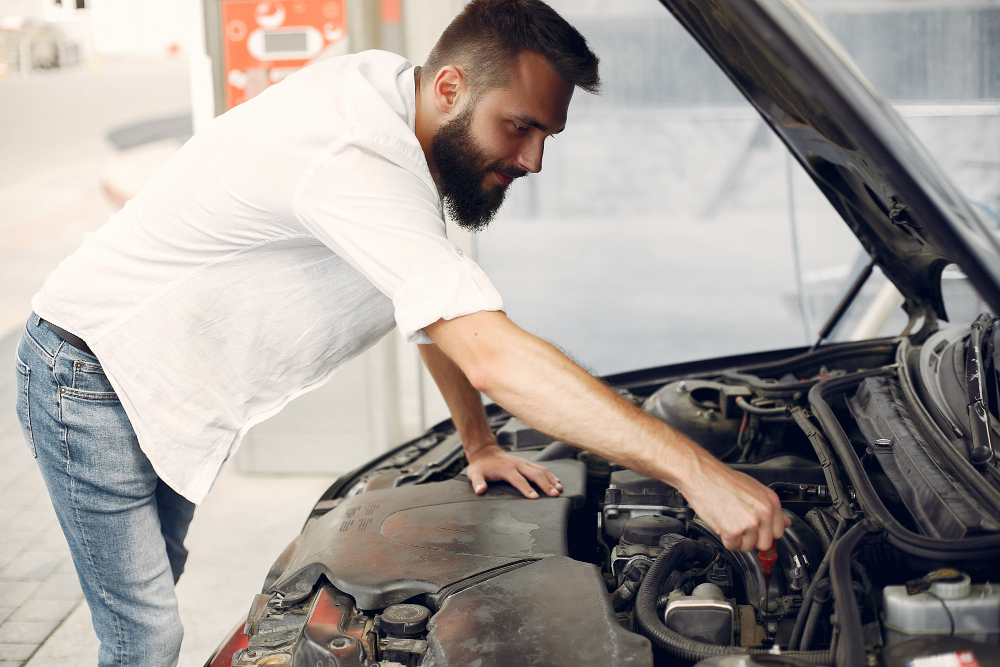
Training Staff for Equipment Longevity
Even the most durable brake fluid machine can fail if misused.
1. Provide Hands-On Training
Ensure technicians understand:
- Proper connection techniques
- Safe pressure limits
- Correct fluid handling
2. Standardize Procedures
Create written procedures for brake fluid flush Canada services to minimize operational inconsistencies.
Signs Your Brake Fluid Machine Needs Professional Service
Watch for these warning indicators:
- Inconsistent pressure output
- Slow fluid transfer
- Visible leaks
- Digital display errors
- Unusual pump noise
When issues arise, professional service is recommended rather than attempting complex repairs in-house. Explore maintenance support through brake flush machine service.
Long-Term Preventive Maintenance Strategy
Developing a preventive maintenance schedule reduces emergency repairs and extends equipment lifespan.
Create a Maintenance Calendar
- Daily inspection tasks
- Weekly cleaning cycles
- Monthly component checks
- Annual professional servicing
Document Repairs and Replacements
Tracking parts replacement helps identify recurring issues and plan upgrades.
High-quality systems such as the BFS-110 Brake Flush Service are designed for durability, but consistent documentation ensures optimal performance over time.
The Role of Equipment Quality in Longevity
Not all brake fluid flush machines are built to the same standard. Choosing reliable equipment reduces long-term maintenance burdens.
Established manufacturers like Kenvo Technology focus on engineering durable, workshop-ready systems suitable for professional brake fluid flush Canada environments.
Quality components:
- Resist corrosion
- Maintain pressure stability
- Support high service volumes
Understanding your equipment’s design through About Kenvo resources can guide maintenance practices.
Environmental Considerations
Proper disposal of used brake fluid is essential. Ensure compliance with local environmental regulations in Canada.
- Store waste fluid in approved containers
- Coordinate with certified waste disposal services
- Prevent spills during transport
Maintaining a clean and compliant workspace protects both technicians and equipment.
Conclusion
Extending the life of your brake fluid machine requires a proactive approach. Daily inspections, scheduled maintenance, proper storage, correct fluid usage, and staff training all contribute to long-term reliability.
Workshops operating a brake flush machine Canada solution can improve efficiency and reduce downtime by implementing structured preventive care routines. High-quality systems such as those offered by Kenvo Technology are built for durability, but consistent upkeep ensures maximum return on investment.
For professional assistance or technical support, visit the Contact Us page to connect with experienced service specialists.