
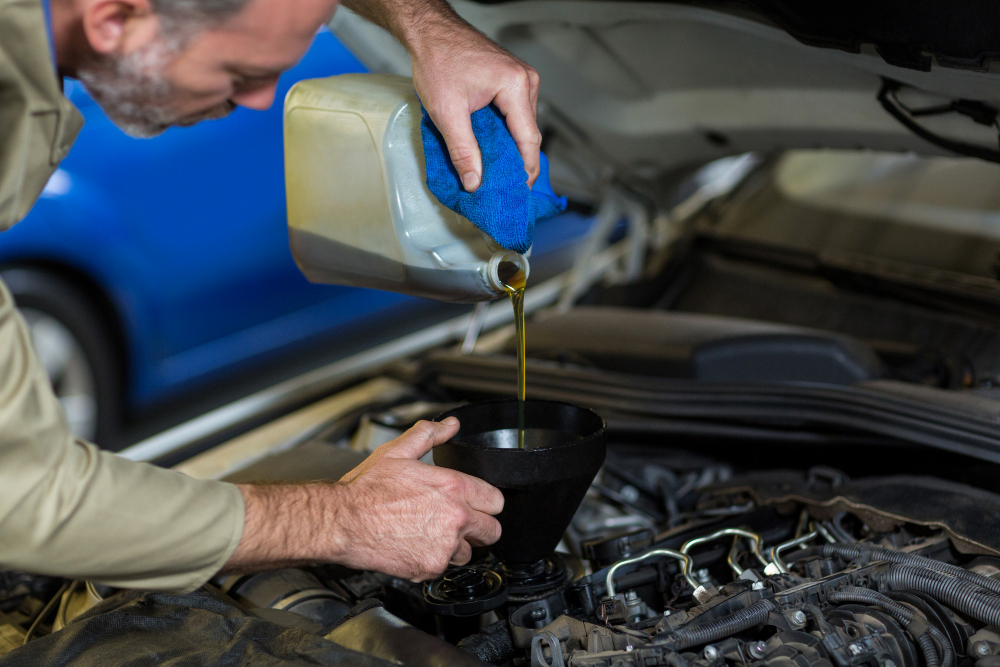
Brake system maintenance is a critical responsibility for any automotive workshop. While pads and rotors often receive the most attention, brake fluid plays an equally important role in ensuring safe and consistent braking performance. As vehicles become more complex, workshops increasingly rely on specialized equipment such as a Flush Machine to perform brake fluid servicing accurately and efficiently.
Choosing the right brake fluid flush machine requires more than a basic understanding of brake systems. It involves evaluating equipment features, compatibility, workflow efficiency, and long-term reliability. This guide provides an in-depth, practical overview to help workshops make informed decisions without relying on promotional claims.
What Is a Flush Machine and Why Is It Important?
A Flush Machine is a device used to remove old, contaminated brake fluid from a vehicle’s hydraulic brake system and replace it with fresh fluid under controlled pressure. Brake fluid absorbs moisture over time, which lowers its boiling point and can lead to reduced braking efficiency, corrosion, and internal component damage.
Manual bleeding methods can still be found in some workshops, but they are inconsistent and highly dependent on technician experience. A brake fluid flush machine provides controlled pressure and consistent fluid exchange, helping ensure repeatable service results. Many professional workshops follow brake service approaches like those outlined by Kenvo automotive service solutions, which emphasize standardized and accurate brake maintenance.
How Brake Fluid Degrades Over Time
Brake fluid is hygroscopic, meaning it absorbs moisture from the air even in sealed systems. As moisture content increases, several issues arise:
- Reduced boiling point, increasing the risk of brake fade
- Corrosion inside brake lines, calipers, and master cylinders
- Reduced responsiveness in braking systems
- Increased risk of ABS and ESC malfunction
Routine brake fluid flushing helps prevent these issues. Using a brake fluid flush machine ensures the entire system is serviced evenly, rather than partially refreshed as often happens with manual bleeding.
Why Modern Vehicles Require Professional Brake Fluid Flushing
Modern vehicles require professional brake fluid flushing to ensure consistent hydraulic pressure, protect ABS and electronic brake systems, and maintain optimal braking performance.
Advanced Brake System Sensitivity
Modern vehicles are equipped with ABS, traction control, and electronic stability systems. These components rely on precise hydraulic pressure. Inconsistent bleeding methods can introduce air or uneven pressure, potentially affecting system performance.
Consistency and Accuracy
A brake flush machine applies steady pressure throughout the flushing process, protecting sensitive components. This approach aligns with structured procedures commonly used in brake flush machine service practices for modern vehicles
Types of Brake Fluid Flush Machines
Not all brake fluid machines function the same way. Understanding the available options helps workshops select the most appropriate equipment.
Pressure-Based Brake Fluid Flush Machine
These machines apply regulated pressure to push old brake fluid out while introducing new fluid. They are widely used in professional settings due to their consistency and efficiency.
Vacuum-Based Brake Flush Machine
Vacuum machines remove brake fluid by suction. While effective in certain scenarios, they require careful monitoring to prevent air from entering the system.
Combination Fluid Brake Change Machine
Some machines offer both pressure and vacuum functionality, allowing flexibility when servicing different vehicle types and brake system designs.
Key Features to Look for in a Brake Fluid Machine
Selecting the right brake fluid machine should be based on operational needs rather than surface-level features.
Fluid Compatibility
Ensure the machine supports commonly used brake fluids such as DOT 3, DOT 4, and DOT 5.1. Compatibility allows workshops to service a wider range of vehicles.
Pressure Regulation
Stable and adjustable pressure is essential. A quality brake fluid flush machine maintains consistent pressure to avoid system damage. Machines such as the BFS-110 brake flush service machine are designed with pressure stability in mind.
Reservoir Capacity
Larger fluid reservoirs reduce downtime during servicing. Transparent reservoirs allow technicians to monitor fluid condition throughout the process.
Matching a Flush Machine to Your Workshop’s Workload
Low to Medium Volume Workshops
Shops performing occasional brake fluid services may benefit from compact machines with basic pressure control and moderate fluid capacity.
High-Volume Service Centers
Workshops that handle frequent brake services require machines designed for continuous use and faster fluid exchange. Equipment similar to the BFS-115 brake flush service system is often selected for durability and efficiency in these environments.
Build Quality and Equipment Longevity
Brake fluid is chemically aggressive and can degrade low-quality components over time. Poorly constructed brake flush machines may develop leaks, pressure inconsistencies, or premature wear.
Durable materials, corrosion-resistant components, and reliable seals contribute to long-term performance. Machines such as the BFS-125 brake flush service unit are typically engineered to withstand repeated professional use.
Safety and Environmental Considerations
Brake fluid is classified as hazardous waste and must be handled responsibly. A proper brake fluid flush machine helps minimize spills and supports safe collection of used fluid.
Workshops following professional service standards often align their procedures with structured brake flush machine service practices, ensuring environmental compliance and a cleaner work environment.
Technician Training and Workflow Integration
Even the most advanced Flush Machine must fit seamlessly into daily workshop operations. Machines with intuitive controls and straightforward setup reduce training time and technician error.
Clear documentation and access to technical support also play a role in maintaining consistent service quality. For assistance, workshops typically rely on a contact us page to obtain guidance or service support.
Cost Versus Long-Term Value
While upfront cost is important, it should not be the sole deciding factor. A lower-priced fluid brake change machine may require more frequent maintenance or deliver inconsistent results.
Evaluating total cost of ownership includes durability, service speed, fluid efficiency, and available support. Reliable machines often provide better long-term value by reducing service time and minimizing errors.
Customer Benefits of Professional Brake Fluid Flushing
From the customer’s perspective, proper brake fluid maintenance improves braking consistency, pedal feel, and overall safety. Workshops equipped with professional brake fluid flush machines can provide more transparent and reliable service outcomes.
Many service providers offering professional brake flush service in Edmonton emphasize the importance of using controlled equipment rather than manual methods to ensure accurate results.