
Modern diesel engines are designed to deliver better fuel efficiency, improved performance, and reduced emissions. One of the key technologies that helps achieve these goals is the exhaust gas recirculation EGR system. This system plays an important role in controlling nitrogen oxide (NOx) emissions by redirecting a portion of exhaust gases back into the engine’s combustion process.
As emissions regulations become stricter, maintaining EGR systems has become increasingly important for vehicle owners, technicians, and service providers. Carbon buildup, contamination, and poor maintenance can affect engine efficiency and lead to performance issues. Specialized equipment, such as an exhaust gas recirculation machine, helps technicians clean and maintain these systems effectively.
Kenvo Technology provides diesel service equipment and solutions designed to support professional maintenance operations, including EGR and fuel system servicing. Understanding how EGR systems work and why they require proper care can help businesses make informed decisions about diesel engine maintenance.
What Is an Exhaust Gas Recirculation (EGR) System?
An exhaust gas recirculation EGR system is an emissions control technology used in diesel and gasoline engines to reduce harmful exhaust emissions. The system works by sending a controlled amount of exhaust gas back into the engine’s intake system.
During combustion, diesel engines produce nitrogen oxides due to high temperatures inside the combustion chamber. When exhaust gases are introduced back into the combustion process, they reduce the oxygen concentration and lower combustion temperatures. This helps decrease the formation of NOx emissions.
An EGR system usually includes several components, including:
| EGR Component | Function |
|---|---|
| EGR Valve | Controls the amount of exhaust gas entering the intake system |
| EGR Cooler | Reduces the temperature of recirculated exhaust gases |
| Intake Passage | Allows exhaust gases to mix with incoming air |
| Sensors | Monitor pressure, temperature, and system operation |
| Control Module | Regulates EGR operation based on engine conditions |
Each component must work properly to maintain engine efficiency and emission control.
How Does an EGR System Work?
The operation of an EGR system depends on engine conditions such as speed, load, temperature, and driving requirements. The system does not operate constantly but activates when conditions are suitable.
The basic process includes:
- Exhaust gases leave the combustion chamber and move through the exhaust system.
- The engine control system determines when EGR operation is required.
- The EGR valve opens and allows a specific amount of exhaust gas to flow back into the intake system.
- The recirculated gases mix with fresh air before entering the combustion chamber.
- Lower combustion temperatures help reduce NOx emissions.
In diesel engines, EGR systems are particularly important because diesel combustion naturally produces higher levels of nitrogen oxide emissions compared to many gasoline engines.
Why Is an EGR System Important for Diesel Engines?
The primary purpose of an EGR system is emission reduction, but it also contributes to overall engine compliance and performance. Diesel engines used in commercial vehicles, industrial equipment, and transportation applications rely on effective emission control systems to meet environmental standards.
The importance of EGR systems includes:
1. Reducing Harmful Emissions
The main benefit of EGR technology is reducing NOx emissions. Lowering these emissions helps diesel engines comply with environmental regulations and reduces their impact on air quality.
2. Supporting Engine Efficiency
A properly functioning EGR system helps maintain the correct balance between fuel, air, and exhaust gases. This balance allows the engine to operate efficiently under different driving conditions.
3. Maintaining Regulatory Compliance
Diesel engines must meet strict emission requirements. Regular EGR system maintenance helps ensure vehicles and equipment continue operating within required standards.
4. Preventing Performance Issues
A neglected EGR system can develop carbon deposits and blockages. These issues may affect airflow, fuel efficiency, and engine response.
Common Problems Associated With EGR Systems
Although EGR technology provides important benefits, it can experience issues over time. Diesel exhaust contains soot and carbon particles that can accumulate inside EGR components.
Some common EGR problems include:
| Problem | Possible Effects |
|---|---|
| Carbon buildup | Reduced airflow and poor engine performance |
| Blocked EGR passages | Increased emissions and reduced efficiency |
| Faulty EGR valve | Engine hesitation, rough operation, or warning lights |
| Contaminated components | Reduced effectiveness of the EGR system |
| Cooler problems | Temperature regulation issues |
Regular inspection and cleaning can help prevent these issues and maintain proper engine operation.
What Causes EGR Carbon Buildup?
Carbon accumulation is one of the most common challenges associated with EGR systems. During normal diesel operation, exhaust gases contain soot particles that can stick to internal components.
Several factors contribute to carbon buildup:
1. Short Driving Cycles
Vehicles that frequently operate for short distances may not reach temperatures needed to burn off deposits effectively.
2. Poor Maintenance
Delayed servicing can allow deposits to accumulate and restrict system operation.
3. Fuel Quality
Low-quality fuel may contribute to increased soot production, affecting exhaust system components.
4. Heavy Engine Loads
Commercial diesel engines operating under demanding conditions may experience faster buildup due to higher exhaust output.
Proper maintenance practices and professional cleaning methods can help reduce these issues.
How Does an Exhaust Gas Recirculation Machine Help?
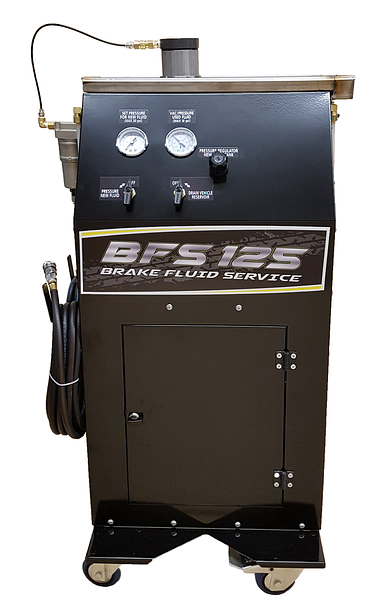
An exhaust gas recirculation machine is specialized equipment used to clean and maintain EGR-related components. These machines help remove deposits and contaminants that affect EGR performance.
Professional cleaning equipment allows technicians to service systems more effectively compared to basic cleaning methods. It can help restore proper airflow, improve system operation, and reduce the impact of carbon accumulation.
Diesel EGR Fuel Services by Kenvo Technology provides information about EGR and diesel service solutions designed for professional applications.
Understanding Diesel EGR Fuel Machine Solutions
A diesel EGR fuel machine Canada solution is designed to support workshops and service providers that work with diesel vehicles and equipment. These systems are used for specialized maintenance procedures involving fuel and emission-related components.
Diesel service machines can help technicians perform consistent maintenance while reducing manual cleaning challenges. Proper equipment selection depends on the type of vehicle, engine system, and service requirements.
When choosing an EGR servicing solution, technicians should consider:
- Compatibility with different diesel engine systems
- Ease of operation
- Maintenance requirements
- Service capacity
- Equipment reliability
Professional-grade equipment helps service providers maintain consistent procedures across different diesel applications.
Difference Between EGR Cleaning and EGR Replacement
When an EGR system develops issues, technicians must determine whether cleaning or replacement is required.
| EGR Cleaning | EGR Replacement |
|---|---|
| Removes carbon deposits and contaminants | Replaces damaged components |
| Suitable for maintenance-related issues | Required when parts fail |
| Helps restore normal operation | Higher repair cost |
| Extends component lifespan | Necessary for severe damage |
Cleaning is often considered during routine maintenance, while replacement may be needed when valves, sensors, or other components are permanently damaged.
Benefits of Regular EGR System Maintenance
Regular maintenance of the exhaust gas recirculation fuel machine process and related systems can provide several advantages for diesel engine operators.
1. Improved Engine Performance: A clean EGR system allows proper exhaust flow and supports efficient combustion.
2. Better Fuel Economy: When engine systems operate correctly, fuel consumption can remain closer to expected levels.
3. Reduced Emissions: Properly maintained EGR components continue supporting emission control requirements.
4. Longer Component Life: Preventive maintenance can reduce stress on related engine and exhaust components.
For businesses managing diesel fleets, scheduled servicing can help identify potential problems before they lead to expensive repairs.
Kenvo Technology Diesel EGR Equipment Solutions
Professional workshops require reliable tools to maintain modern diesel systems. Kenvo Technology’s diesel EGR service equipment is designed to support technicians working with EGR-related maintenance procedures.
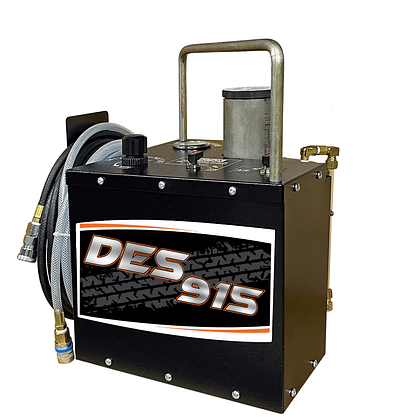
Equipment such as the DEFs-910 Diesel EGR Fuel Service system helps service providers perform specialized cleaning and maintenance tasks. Another solution, the DES-915 Diesel EGR Machine Service Canister, supports professional servicing requirements for diesel systems.
Selecting the correct equipment allows technicians to provide consistent service while maintaining proper maintenance standards.
Signs That an EGR System May Need Attention
Drivers and technicians should be aware of warning signs that may indicate EGR system problems.
Common indicators include:
- Reduced engine power
- Increased fuel consumption
- Excessive smoke from the exhaust
- Engine warning lights
- Rough idling
- Poor acceleration
- Increased emissions
If these symptoms appear, professional inspection can help determine whether the issue is related to the EGR system or another engine component.
How Technology Is Improving Diesel Emission Maintenance
Diesel technology continues to evolve as manufacturers focus on efficiency and environmental performance. Advanced service equipment helps technicians manage increasingly complex emission systems.
Modern maintenance solutions allow workshops to diagnose and service components more accurately. As diesel engines continue using advanced emission technologies, proper servicing equipment will remain an important part of professional vehicle maintenance.
Businesses looking for more information about available solutions can learn about Kenvo Technology’s background and services to understand its approach to diesel service equipment.
Conclusion
An exhaust gas recirculation EGR system is an essential component of modern diesel engines because it helps reduce NOx emissions and supports cleaner engine operation. However, carbon buildup and contamination can affect system performance if maintenance is ignored.
Using appropriate service methods and equipment, such as an exhaust gas recirculation machine, can help technicians maintain EGR components and improve long-term engine reliability. Regular inspection, cleaning, and professional servicing play an important role in keeping diesel systems operating efficiently.
For more information about diesel EGR solutions and professional equipment, businesses can reach out through the Kenvo Technology contact page.
Frequently Asked Questions (FAQs)
1. What is an exhaust gas recirculation EGR system?
An exhaust gas recirculation EGR system is an emission control technology that redirects a portion of exhaust gases back into the engine intake to reduce combustion temperatures and lower NOx emissions.
2. Why do diesel engines use EGR systems?
Diesel engines use EGR systems to control nitrogen oxide emissions, improve environmental compliance, and support efficient engine operation.
3. What is an exhaust gas recirculation machine used for?
An exhaust gas recirculation machine is used by technicians to clean and maintain EGR components by removing carbon deposits and contaminants.
4. How often should an EGR system be cleaned?
The cleaning frequency depends on the vehicle type, operating conditions, fuel quality, and manufacturer recommendations. Commercial diesel vehicles may require more frequent servicing due to heavier use.