
Diesel engines rely on a well-functioning exhaust gas recirculation system to control emissions and keep fuel combustion efficient. Over time, soot, carbon deposits, and unburned fuel residue build up inside the EGR valve, cooler, and intake passages. This buildup reduces airflow, increases fuel consumption, and can eventually trigger warning lights or reduced engine power. When this happens, workshop owners and fleet operators are usually faced with two choices: clean the system manually or use an exhaust gas recirculation fuel machine.
Both approaches aim to restore the EGR system to working condition, but they differ significantly in terms of time, thoroughness, and long-term reliability. At Kenvo Technology, this comparison comes up often from technicians who want to understand which method actually delivers better results for diesel engines operating in Canadian conditions.
This blog breaks down how each method works, their advantages and limitations, and which one is generally more suitable for workshops handling regular diesel maintenance.
What Is an Exhaust Gas Recirculation System
The exhaust gas recirculation egr system is designed to reduce nitrogen oxide emissions by redirecting a portion of exhaust gas back into the engine’s intake manifold. This lowers combustion temperatures, which in turn reduces harmful emissions. While the concept is straightforward, the system itself is sensitive to contamination.
Since exhaust gas naturally carries soot and carbon particles, the EGR valve, cooler, and connecting pipes are constantly exposed to residue. Without regular servicing, this residue hardens and restricts the system, leading to reduced engine efficiency, rough idling, and higher emissions than the vehicle was originally designed to produce.
Understanding how the system works is useful before comparing cleaning methods, because the effectiveness of any cleaning approach depends on how thoroughly it can reach these internal passages.
Manual EGR Cleaning: How It Works
Manual cleaning is the traditional method most workshops have relied on for years. It typically involves:
- Removing the EGR valve and cooler from the engine
- Soaking the components in a carbon-dissolving solvent
- Manually scrubbing internal passages with brushes or picks
- Using compressed air to clear loosened debris
- Reinstalling the components once cleaned
This process requires physical disassembly, which means labor time increases significantly. Technicians often spend several hours per vehicle, especially when carbon deposits are heavily hardened or located in hard-to-reach areas of the cooler.
Limitations of Manual Cleaning
While manual cleaning can be effective for light buildup, it has a few consistent drawbacks:
- Internal cooler passages are narrow and difficult to reach with brushes
- Solvents may not fully dissolve older, hardened carbon layers
- Reinstallation risks include gasket damage or incorrect torque
- Labor cost per vehicle is higher due to the time involved
- Results can vary depending on technician experience
Because of these limitations, many workshops have started shifting toward machine-based cleaning, particularly when servicing multiple vehicles regularly.
What Is an Exhaust Gas Recirculation Fuel Machine
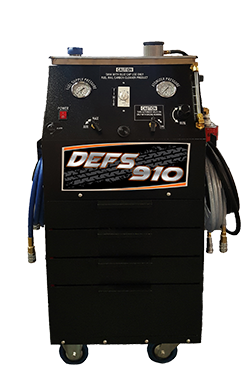
An exhaust gas recirculation fuel machine is a dedicated cleaning unit that uses a specialized fuel or cleaning fluid, combined with controlled pressure and flow, to clean the EGR system without full disassembly in many cases. The machine circulates cleaning fluid through the valve, cooler, and connected passages, breaking down carbon deposits more evenly than manual scrubbing.
This is where equipment like the DEFS-910 Diesel EGR Fuel Service becomes relevant. Machines in this category are built specifically for diesel EGR maintenance, allowing technicians to run a cleaning cycle that reaches areas manual tools typically cannot access.
How the Cleaning Process Works
- The machine connects to the EGR system through designated service ports
- Cleaning fluid is circulated under controlled pressure
- The fluid breaks down carbon and soot deposits gradually
- Debris is flushed out through the return line
- The system is tested for flow and pressure once cleaning is complete
Some machines, such as the DES-915 Diesel EGR Machine Service Canister, are designed to work as part of a broader service setup, allowing consistent results across different engine types.
Advantages of Using a Fuel Machine
- Reaches internal cooler passages more effectively than manual tools
- Reduces labor time significantly per service
- Provides more consistent results across different technicians
- Lowers the risk of damage from repeated disassembly
- Supports regular preventive maintenance schedules
This is particularly relevant for fleet workshops or service centers dealing with a high volume of diesel vehicles, where consistency and turnaround time matter as much as the quality of the clean itself.
Diesel EGR Fuel Machine Usage in Canada
Diesel vehicles operating in Canada face specific challenges due to cold weather conditions, frequent idling in traffic, and varying fuel quality across regions. These factors contribute to faster carbon buildup in EGR systems compared to warmer climates.
A diesel egr fuel machine canada workshops rely on needs to handle these conditions consistently, particularly during winter months when engines idle longer to maintain cabin heat and reduce cold start strain. Regular use of fuel machine cleaning helps offset this faster buildup, keeping EGR systems within acceptable operating parameters year round.
Workshops that service commercial fleets, delivery vehicles, or heavy-duty trucks in Canada often find that scheduled machine cleaning reduces unexpected breakdowns tied to EGR restriction, especially during the colder half of the year.
Manual Cleaning vs Fuel Machine: Side-by-Side Comparison
| Factor | Manual EGR Cleaning | Exhaust Gas Recirculation Machine |
|---|---|---|
| Disassembly required | Yes, in most cases | Often reduced or not required |
| Time per vehicle | 2 to 4 hours on average | Typically under 1 hour |
| Cleaning consistency | Depends on technician skill | Standardized across services |
| Reach into cooler passages | Limited | More thorough |
| Risk during reinstallation | Higher, due to component handling | Lower, fewer parts removed |
| Suitability for fleets | Less efficient at scale | Better suited for volume servicing |
| Long-term system performance | Variable results | More consistent restoration |
This comparison shows that while manual cleaning still has a place for certain repair scenarios, particularly when a component needs full inspection or replacement, machine-based cleaning generally offers better efficiency and consistency for routine maintenance.
When Manual Cleaning Still Makes Sense
Manual cleaning is not obsolete. There are situations where it remains the more appropriate choice:
- When the EGR valve or cooler shows physical damage requiring inspection
- When a full component replacement is needed rather than cleaning
- For older vehicles where manufacturer specifications recommend manual servicing
- In workshops handling low vehicle volume where machine investment is not justified
Technicians should assess the condition of the system before deciding on an approach, since heavily damaged components may need replacement regardless of the cleaning method used.
Choosing the Right Approach for Your Workshop
For workshops handling occasional EGR servicing, manual cleaning may still be a workable option. However, for those managing regular diesel maintenance, fleet servicing, or looking to reduce labor time without compromising quality, an exhaust gas recirculation machine offers a more scalable solution.
Kenvo Technology’s range of diesel EGR fuel service equipment is built around this need, offering tools designed for consistent, repeatable results across different engine types and service volumes. You can review the full range of options through the diesel EGR fuel services page to compare specifications suited to different workshop requirements.
Workshops evaluating new equipment should also consider factors such as fluid compatibility, service port connections, and maintenance requirements of the machine itself, since these affect long-term reliability of the cleaning process.
Maintaining EGR System Health Long Term
Regardless of which cleaning method is used, EGR system health depends on consistent servicing intervals rather than one-time cleaning. Vehicles operating under heavy load, frequent idling, or short trip cycles typically require more frequent attention compared to those used mainly for highway driving.
Establishing a regular maintenance schedule, particularly for fleet vehicles, helps reduce the likelihood of complete EGR failure, which can lead to more expensive repairs involving the intake manifold or turbocharger system in some cases.
About Kenvo Technology
Kenvo Technology has worked with diesel service equipment for workshops across Canada, focusing on tools that support efficient EGR maintenance without unnecessary complexity. More information about the company’s background and approach to diesel service equipment is available on the about Kenvo page.
Frequently Asked Questions
What does an exhaust gas recirculation fuel machine actually clean?
It cleans carbon and soot deposits from the EGR valve, cooler, and connected passages by circulating a cleaning fluid under controlled pressure, without requiring full disassembly in most cases.
Is manual EGR cleaning still effective?
Manual cleaning can still work for light buildup or when a technician needs to physically inspect the component, but it often struggles to reach narrow cooler passages compared to machine-based cleaning.
How often should diesel EGR systems be cleaned in Canada?
This depends on driving conditions, but vehicles that idle frequently or operate in cold weather typically need more regular servicing, often every 40,000 to 60,000 kilometers, though this varies by vehicle and usage.
Does using a fuel machine reduce labor cost?
Yes, since it reduces disassembly time and cleaning time per vehicle, which is particularly useful for workshops handling multiple diesel vehicles regularly.
Conclusion
Both manual cleaning and machine-based cleaning have a role in diesel EGR maintenance, but for workshops looking to improve consistency, reduce labor time, and handle higher service volumes, an exhaust gas recirculation fuel machine generally offers a more practical long-term solution. Manual methods remain useful for inspection-heavy cases, but they are less efficient when scaled across multiple vehicles.
If your workshop is evaluating equipment options for diesel EGR servicing, reviewing available machines and understanding fluid compatibility beforehand can help avoid unnecessary downtime. For further guidance on selecting the right equipment for your service needs, you can contact us to discuss requirements specific to your workshop or fleet operation.