
Maintaining a vehicle requires attention to many hidden components that keep the engine running efficiently. One such component is the exhaust gas recirculation system. This system plays a critical role in reducing harmful emissions, but it is highly susceptible to carbon buildup over time. Understanding the maintenance schedule for this part is essential for preventing engine performance issues. At Kenvo Technology, we emphasize the importance of proactive maintenance to extend the life of modern engines.
Determining the exact cleaning interval depends on various factors, including driving habits, vehicle type, and fuel quality. This guide will explore how frequently you should service this component, the signs of a clogged valve, and the methods professionals use to resolve these issues.
Understanding the Exhaust Gas Recirculation EGR System
To understand why cleaning is necessary, it helps to know how the exhaust gas recirculation egr system functions. During normal combustion, engines produce nitrogen oxides. These emissions are harmful to the environment and contribute to smog. The system reduces these emissions by recirculating a portion of the exhaust gases back into the engine cylinders.
By introducing inert exhaust gas into the combustion chamber, the system lowers the peak combustion temperature. Since nitrogen oxides only form at extremely high temperatures, this reduction in heat significantly decreases the amount of pollution leaving the tailpipe.
However, this process has a major drawback. The exhaust gases contain soot, carbon, and oil vapor. Over time, these byproducts stick to the walls of the EGR valve and the intake passages. As this carbon buildup thickens, it restricts the flow of gases and prevents the valve from opening and closing properly.
Signs That Cleaning Is Immediately Required
While following a maintenance schedule is the best approach, certain symptoms indicate that the system is failing and requires immediate attention. If you notice any of the following issues, you might need to seek professional diesel EGR fuel services to diagnose and resolve the problem.
- Check Engine Light: The engine control unit monitors the EGR valve position and flow. If it detects a blockage or a circuit issue, it will trigger a check engine light. Common diagnostic trouble codes include P0401, which indicates insufficient flow.
- Rough Idling and Stalling: When carbon prevents the valve from closing completely, exhaust gases leak into the intake manifold at idle. This disrupts the air to fuel ratio, causing the engine to run rough, shake, or stall entirely.
- Decreased Fuel Economy: A malfunctioning system alters engine timing and combustion efficiency. Consequently, the engine burns more fuel to produce the same amount of power.
- Power Loss and Hesitation: Under heavy acceleration, the engine needs clean air. A clogged passage restricts airflow, leading to sluggish performance, turbo lag, or a noticeable lack of power.
- Strong Fuel Smell: Incomplete combustion caused by improper airflow can result in unburnt fuel exiting the exhaust, creating a strong smell of gasoline or diesel.
How Often Should an Exhaust Gas Recirculation System Be Cleaned?
There is no single universal mileage interval for cleaning this component. The required frequency depends heavily on the vehicle make and model, as well as the type of fuel it uses. Generally speaking, gasoline engines require less frequent cleaning compared to diesel engines.
For most gasoline vehicles, inspecting and cleaning the system every 50,000 to 100,000 miles is a standard recommendation. Diesel engines, which produce significantly more soot, often require cleaning every 30,000 to 70,000 miles. Heavy duty diesel trucks used for towing or commercial applications may need attention even more frequently.
Cleaning Interval Guidelines
The table below outlines general guidelines based on vehicle type and usage.
| Vehicle Type | Engine Fuel | Recommended Cleaning Interval | Driving Conditions |
|---|---|---|---|
| Passenger Car | Gasoline | 60,000 to 100,000 miles | Mixed city and highway |
| Light Duty Truck | Gasoline | 50,000 to 80,000 miles | Frequent towing, short trips |
| Passenger Car | Diesel | 40,000 to 70,000 miles | Mixed city and highway |
| Heavy Duty Truck | Diesel | 30,000 to 50,000 miles | Heavy towing, commercial use |
| Performance Vehicle | Gasoline | 30,000 to 50,000 miles | Aggressive driving, track use |
These numbers serve as a baseline. Always consult the specific manufacturer guidelines for your vehicle before performing maintenance.
Factors That Influence Cleaning Frequency
Several variables can cause carbon to accumulate much faster than average. Being aware of these factors can help you adjust your maintenance schedule accordingly.
Driving Habits: Frequent short trips are the worst enemy of an emission control system. When a vehicle is driven for only a few minutes, the engine never reaches its optimal operating temperature.
Fuel Quality: Low quality fuel contains higher levels of impurities and sulfur. Burning poor quality fuel increases the amount of soot produced during combustion.
Oil Change Intervals: Engine oil contains detergents that neutralize acids and hold soot in suspension. If oil changes are delayed, the oil becomes saturated with debris.
Engine Modifications: Vehicles equipped with aftermarket tuning modules or modified exhaust systems often run at different air to fuel ratios.
The Role of an Exhaust Gas Recirculation Machine
In the past, mechanics cleaned these components by removing the valve and scraping the carbon off manually with wire brushes and harsh chemical solvents. While this method removes visible carbon, it is time consuming, labor intensive, and often fails to clean the internal passages deep within the intake manifold.
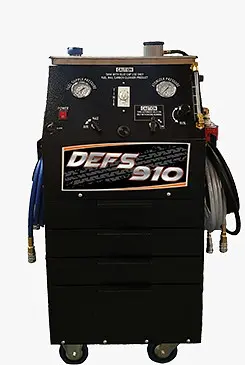
Today, automotive shops utilize an exhaust gas recirculation machine to perform a much more thorough cleaning. Instead of disassembling the engine, technicians use specialized equipment to introduce cleaning chemicals into the system while the engine is running.
An exhaust gas recirculation fuel machine connects to the fuel rail or the intake system. It pumps a highly concentrated, fuel safe solvent through the engine. As the solvent passes through the intake manifold and past the EGR valve, it dissolves hardened carbon deposits. The dissolved carbon is then safely burned off in the combustion chamber and exits through the tailpipe. This method cleans areas that are impossible to reach by hand.
Advantages of Professional Cleaning Equipment
Relying on specialized cleaning equipment provides several distinct advantages over manual removal. First, it saves significant labor time. Technicians do not have to spend hours disassembling and reassembling complex intake components, which reduces the overall cost of the service for the vehicle owner.
Second, the chemical cleaning process is far more comprehensive. When you read about Kenvo and our approach to engine maintenance, you will find that chemical cleaning restores the entire airflow path to its original state. This includes the EGR cooler, which is a notorious failure point on diesel engines. A clogged EGR cooler can cause catastrophic engine failure, making preventive chemical flushing essential.
When searching for a diesel EGR fuel machine canada based automotive shops often look for reliable, commercial grade equipment. These machines must deliver precise amounts of cleaning solvent to avoid hydro locking the engine. High quality service canisters are formulated to break down tough carbon without damaging sensitive sensors, gaskets, or catalytic converters.
Furthermore, using a dedicated exhaust gas recirculation machine ensures that the cleaning agent reaches the exact areas where carbon accumulates the most. Specialized tools are designed to integrate seamlessly with modern high pressure fuel systems, ensuring safe and effective delivery of the cleaning solution.
What Happens If You Delay EGR Maintenance
Ignoring a dirty EGR valve can lead to a cascade of mechanical failures. Because the system is directly tied to engine breathing and emissions, a blockage forces the engine to work harder. At Kenvo Technology, we routinely see engines that have suffered severe damage due to neglected emission components.
In diesel engines, a completely blocked valve causes exhaust pressure to build up. This backpressure can force the EGR cooler to rupture, allowing coolant to dump directly into the intake manifold. This phenomenon, known as hydro locking, can bend connecting rods and destroy the engine block entirely.
Additionally, a malfunctioning system forces the engine control unit to alter its fuel injection timing and turbocharger boost levels to compensate for the restricted airflow. Over time, this compensation stresses the turbocharger, leading to premature turbo failure. The cost of replacing a turbocharger and an EGR cooler far exceeds the cost of routine cleaning.
Frequently Asked Questions
1. Can I clean an EGR valve without removing it?
Yes, you can use aerosol sprays designed to break down carbon. However, this method only cleans the accessible portions of the valve.
2. Does cleaning the EGR system improve fuel economy?
Yes. Carbon buildup restricts airflow and alters the air to fuel ratio. Removing these deposits restores proper engine breathing, allowing the engine control unit to optimize fuel injection.
3. Is an EGR delete a better alternative to cleaning?
No. Removing or bypassing the system is illegal in most jurisdictions because it drastically increases nitrogen oxide emissions.
4. How long does a chemical cleaning take?
Using an exhaust gas recirculation machine, the actual chemical flushing process typically takes between 30 to 60 minutes.
Conclusion
The exhaust gas recirculation system is a vital component for reducing emissions and protecting the environment, but its inherent design makes it vulnerable to carbon buildup. While general guidelines suggest cleaning the system every 30,000 to 100,000 miles depending on the vehicle type, paying attention to symptoms like rough idling and decreased fuel economy is crucial. Utilizing modern chemical flushing methods rather than manual scraping ensures a thorough clean that extends the life of the engine and prevents catastrophic failures like a ruptured EGR cooler. If your vehicle is exhibiting signs of restricted airflow or if it has been a long time since the last inspection, please contact us to schedule a professional diagnostic and cleaning service