
In today’s automotive service industry, efficiency and accuracy are essential for maintaining customer satisfaction and business profitability. Vehicle owners expect timely service, while workshop managers need solutions that help technicians complete maintenance tasks without compromising quality. One area where technology has made a significant impact is brake fluid maintenance.
Modern brake service equipment has transformed traditional brake fluid replacement procedures. By automating key aspects of the process, workshops can reduce service times, improve consistency, and increase the number of vehicles serviced each day. A fluid brake change machine is now considered a valuable asset for repair facilities seeking to improve operational efficiency.
At Kenvo Technology, automotive professionals can find innovative solutions designed to support modern workshop requirements and streamline brake maintenance procedures.
Understanding the Importance of Brake Fluid Maintenance
Brake fluid is a critical component of a vehicle’s hydraulic braking system. It transfers force from the brake pedal to the braking components, allowing drivers to slow down or stop safely. Over time, brake fluid absorbs moisture from the atmosphere, which can reduce braking performance and contribute to corrosion within the system.
Routine brake fluid replacement offers several benefits:
- Helps maintain braking efficiency
- Reduces internal corrosion
- Extends the lifespan of brake components
- Supports vehicle safety
- Meets manufacturer maintenance recommendations
As awareness of preventative maintenance continues to grow, many workshops are expanding their brake fluid flush Canada services to meet customer demand.
What Is a Fluid Brake Change Machine?
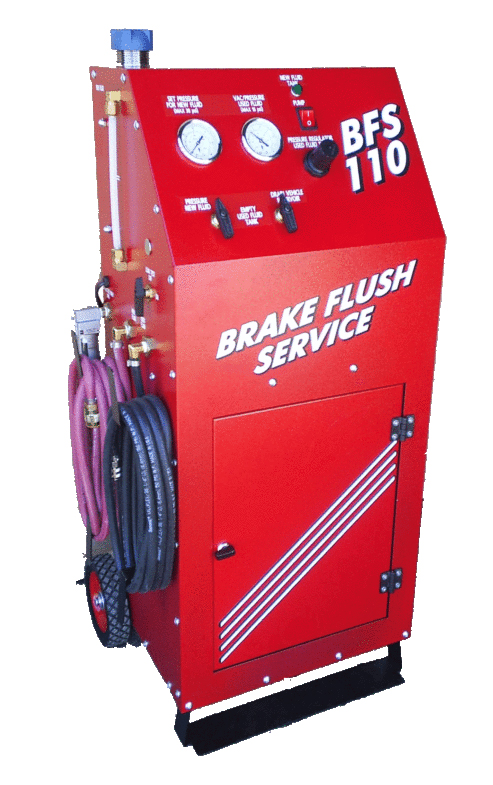
A fluid brake change machine is specialized equipment designed to remove contaminated brake fluid and replace it with fresh fluid throughout the braking system. Unlike traditional manual bleeding methods, these machines use controlled pressure to perform a more efficient fluid exchange.
Modern workshops rely on a brake fluid flush machine because it helps reduce technician workload while improving service consistency. The automated process minimizes the likelihood of air entering the system and helps ensure a complete fluid replacement.
Many repair facilities looking to improve brake maintenance operations invest in professional brake flush service equipment to enhance efficiency and service quality.
Challenges of Traditional Brake Fluid Replacement
While manual brake bleeding methods have been used for decades, they can create operational challenges in busy workshops.
1. Time-Consuming Procedures
Traditional brake fluid replacement often requires multiple technicians and several manual steps. This increases labor requirements and limits the number of vehicles that can be serviced each day.
2. Inconsistent Results
Manual procedures depend heavily on technician experience. Variations in technique can affect service quality and consistency.
3. Risk of Air Contamination
Improper bleeding procedures can introduce air into the braking system, potentially requiring additional work to restore optimal performance.
4. Reduced Productivity
When technicians spend excessive time performing brake maintenance, workshop productivity may suffer.
For this reason, many automotive businesses are adopting advanced brake fluid maintenance solutions to simplify service procedures.
How Modern Brake Fluid Flush Machines Improve Efficiency
Modern brake service technology is designed to streamline maintenance operations and support higher productivity levels.
1. Faster Service Completion
A brake fluid flush machine can significantly reduce the time required for brake fluid replacement. Automated fluid exchange processes help technicians complete services more quickly while maintaining accuracy.
With faster service completion, workshops can accommodate more appointments and improve daily throughput.
2. Reduced Technician Workload
Automated systems eliminate many repetitive manual tasks. This reduces technician fatigue and allows staff to focus on inspections, diagnostics, and other repair work.
3. Improved Workflow Management
Predictable service times help service advisors schedule appointments more effectively. Better scheduling contributes to smoother workshop operations and improved customer experiences.
Workshops utilizing modern brake flush machine technology often experience measurable gains in efficiency and workflow management.
Enhanced Accuracy and Consistency
Consistency is one of the most important advantages of automated brake service equipment.
1. Controlled Fluid Exchange: Modern machines maintain steady pressure throughout the service process, ensuring brake fluid is exchanged efficiently and safely.
2. Standardized Procedures: Automated systems create repeatable service processes that can be followed consistently by different technicians.
3. Better Quality Control: Consistent service procedures help workshops maintain high standards and reduce the likelihood of customer callbacks.
Many facilities providing brake fluid flush Canada services depend on automated systems to deliver reliable results across a wide range of vehicle types.
Increasing Workshop Throughput
One of the most significant benefits of a fluid brake change machine is its ability to increase workshop productivity.
1. More Vehicles Serviced Per Day: By reducing service times, workshops can complete more maintenance appointments without increasing labor costs.
2. Improved Technician Utilization: Technicians can focus on higher-value repair and diagnostic work while automated equipment performs fluid exchange operations.
3. Greater Revenue Opportunities: Efficient brake maintenance services create opportunities to offer preventative maintenance packages that provide value to customers while generating additional revenue.
Many professional repair facilities evaluate solutions such as the BFS-115 Brake Flush Service Machine when seeking productivity improvements.
Supporting Modern Vehicle Technology
Vehicle braking systems continue to evolve, incorporating advanced safety technologies and electronic controls.
1. ABS Compatibility: Many modern brake service machines are designed to work effectively with anti-lock braking systems.
2. Electronic Brake Systems: Advanced braking technologies require precise maintenance procedures that automated equipment can support.
3. Hybrid and Electric Vehicles: As hybrid and electric vehicles become more common, workshops need service equipment capable of handling diverse vehicle platforms.
Automotive professionals interested in learning more about innovative workshop solutions can explore About Kenvo and the company’s commitment to supporting modern service environments.
Cost Savings for Automotive Workshops
Investing in advanced brake maintenance equipment can provide long-term financial benefits.
1. Reduced Labor Costs
Faster service procedures decrease labor time per vehicle and improve operational efficiency. Automated brake fluid service equipment allows technicians to complete maintenance tasks with fewer manual steps, helping workshops optimize staffing resources.
2. Lower Risk of Rework
Consistent service quality helps minimize repeat visits related to brake fluid maintenance issues. By using automated equipment, workshops can ensure more accurate fluid replacement and reduce the chances of incomplete service procedures.
3. Better Equipment Utilization
Technicians can allocate their time more effectively, allowing workshops to maximize productivity. While the machine manages the fluid exchange process, technicians can focus on inspections, diagnostics, or other repair tasks.
Businesses seeking reliable advanced brake service technology often recognize the value of investing in modern brake maintenance equipment.
Choosing the Right Brake Flush Machine
Selecting the right brake service equipment requires careful evaluation.
1. Vehicle Compatibility
Choose a machine capable of servicing a broad range of vehicle makes and models. A versatile system can accommodate different braking system configurations, helping workshops serve a wider customer base without requiring multiple pieces of equipment.
2. Pressure Regulation
Accurate pressure control is essential for safe and effective brake fluid replacement. Consistent pressure helps ensure a smooth fluid exchange process while reducing the risk of introducing air into the braking system.
3. Durability
Professional workshops require equipment designed for frequent daily use. Durable construction helps minimize downtime, reduce maintenance costs, and ensure reliable performance in demanding service environments.
4. Ease of Operation
User-friendly controls can reduce training requirements and improve technician adoption. Intuitive interfaces help technicians perform services confidently and consistently, regardless of their experience level.
Many workshops looking for professional brake service equipment prioritize reliability, performance, and long-term value.
Future Trends in Brake Fluid Service Equipment
The automotive service industry continues to embrace new technologies that improve maintenance procedures.
1. Greater Automation
Future systems may include additional automation features that further reduce technician involvement. These advancements can help streamline service procedures, minimize human error, and ensure more consistent brake fluid replacement results.
2. Digital Monitoring
Advanced equipment may offer enhanced reporting capabilities and maintenance tracking. Digital monitoring systems can provide real-time service data, helping technicians verify fluid exchange procedures and maintain accurate maintenance records.
3. Connected Workshop Solutions
Integration with workshop management systems can improve scheduling, reporting, and customer communication. Connected technologies may allow service data to be stored automatically, making it easier to track vehicle maintenance histories and generate service reports.
As technology continues to advance, modern brake flush machine service solutions will play an increasingly important role in supporting workshop productivity.
Conclusion
Modern brake maintenance equipment has become an essential investment for workshops seeking greater efficiency, consistency, and service quality. A fluid brake change machine helps reduce service times, improve workflow management, and support accurate brake fluid replacement across a wide range of vehicles.
Whether providing routine maintenance or specialized brake fluid flush Canada services, workshops can benefit from automated brake service technology that simplifies operations and enhances customer satisfaction. As vehicle systems continue to evolve, investing in advanced brake maintenance equipment can help service facilities remain competitive and productive.
For more information about brake maintenance equipment and workshop solutions, contact our team to discuss the right solution for your facility.
Frequently Asked Questions
1. What is a fluid brake change machine?
A fluid brake change machine is an automated device that removes old brake fluid and replaces it with fresh fluid throughout a vehicle’s braking system.
2. How does a brake fluid flush machine improve workshop productivity?
It reduces service times, improves consistency, minimizes manual labor, and allows workshops to service more vehicles each day.
3. Why is brake fluid replacement important?
Brake fluid absorbs moisture over time, which can reduce braking performance and contribute to corrosion within the braking system.
4. Is a brake flush machine compatible with modern vehicles?
Yes. Most modern systems are designed to support ABS-equipped vehicles, electronic braking systems, and many hybrid or electric vehicles.