
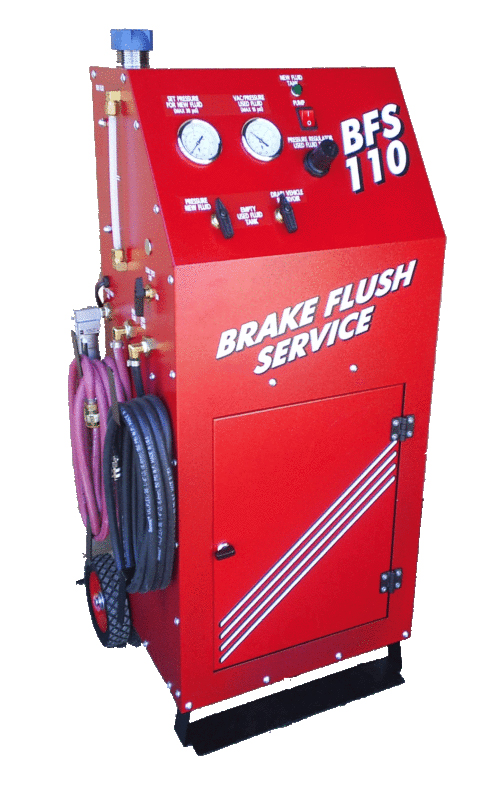
Safety is the highest priority in any automotive repair facility. The braking system is the most critical safety component of any vehicle, and the hydraulic fluid within that system requires routine maintenance to function correctly. Over time, brake fluid absorbs moisture from the atmosphere, which lowers its boiling point and leads to internal corrosion of vital components. To combat this degradation, auto shops must perform regular fluid exchanges. Investing in a dedicated brake fluid flush machine is one of the most effective ways to streamline this service, ensure consistent results, and improve customer safety.
If you are looking to upgrade your shop equipment, understanding the technical specifications and operational features of these machines is essential. Industry leaders like Kenvo Technology provide advanced equipment designed to meet the rigorous demands of modern auto repair facilities. Whether you are establishing a new shop or upgrading your current tools, this guide will help you select the right equipment and understand the value of professional brake flush machine service canada.
The Economic Value of Offering Brake Fluid Services
Many auto repair facilities overlook brake fluid maintenance as a primary revenue stream. However, as vehicle manufacturers extend service intervals for engine oil and other components, brake fluid service presents a consistent and highly profitable opportunity. Offering a standardized brake fluid flush canada service allows shops to increase their average repair order while providing genuine, measurable value to the customer.
By utilizing an automated machine, technicians can complete a full system exchange in a fraction of the time required for manual bleeding. This efficiency means the service bay is freed up for the next vehicle much faster, maximizing overall shop throughput and labor efficiency. Furthermore, providing a comprehensive maintenance program builds long term customer trust. When drivers see that a shop prioritizes preventative maintenance over major, expensive repairs, they are far more likely to return for future services and recommend the shop to others.
Why Brake Fluid Maintenance is Critical
Many drivers overlook brake fluid maintenance, but professional technicians understand its vital role. Brake fluid is hygroscopic, meaning it naturally absorbs moisture from the surrounding air. This moisture contamination happens gradually, but it has severe consequences for vehicle safety and performance.
The Science Behind Fluid Degradation
When moisture enters the brake lines, it significantly reduces the boiling point of the fluid. During heavy braking, the friction generated at the wheels produces immense heat that transfers to the calipers and fluid. If the fluid boils, it creates steam and air bubbles. Since air is highly compressible and hydraulic fluid is not, the brake pedal will feel spongy and may eventually fail to engage the brakes entirely.
Furthermore, the absorbed moisture promotes the internal corrosion of metal components like calipers, wheel cylinders, and master cylinders. This corrosion leads to premature part failure and costly repairs. Offering a reliable fluid exchange service at your shop helps prevent these issues. By replacing the old, contaminated fluid with fresh, dry fluid, you restore the system’s optimal boiling point and ensure reliable braking performance for your customers.
What is a Brake Fluid Flush Machine?
A fluid brake change machine is a specialized piece of automotive equipment designed to remove old brake fluid and replace it with new fluid efficiently. Traditional manual bleeding methods, which involve one technician pumping the brake pedal while another opens and closes the bleeder valves, are time consuming and often leave trapped air in the system. Modern machines automate this process, making it faster, cleaner, and significantly more accurate.
These machines typically connect directly to the vehicle’s master cylinder reservoir. They use regulated pneumatic pressure or vacuum to push the old fluid out of the system while simultaneously introducing new fluid. This closed loop process prevents ambient air from entering the lines and ensures a complete exchange of fluid. By utilizing a specialized brake fluid flush machine, technicians can service a vehicle in a fraction of the time it takes using manual methods. This increases shop efficiency and eliminates the need for a two person team to perform a routine maintenance task.
Key Factors to Consider When Choosing a Machine
Selecting the right equipment requires a thorough understanding of your shop’s specific needs and daily workflow. Not all machines are built the same, and evaluating the following technical features will help you make an informed purchasing decision.
Pressure and Vacuum Capabilities
The primary function of an exchange machine is to move fluid safely. You must evaluate whether a pressure based system or a vacuum based system is better suited for your operations. Pressure systems push new fluid into the master cylinder, forcing the old fluid out at the individual wheel bleeder valves. Vacuum systems pull the old fluid out while new fluid is drawn in from the reservoir. High quality machines offer adjustable pressure settings to prevent damage to sensitive vehicle modules and ensure a smooth, continuous fluid transfer.
Compatibility with Modern Vehicle Systems
Modern vehicles feature complex Anti lock Braking Systems (ABS) and Electronic Stability Control (ESC). Trapped air or degraded fluid in these specialized modules can cause erratic braking behavior and trigger dashboard warning lights. Ensure the machine you choose is fully compatible with modern ABS systems. Some advanced machines feature specific routines or proprietary adapters designed to cycle ABS valves during the flush process, guaranteeing a complete and safe fluid exchange across the entire hydraulic network.
Ease of Use and Setup
Technician time is valuable in a busy repair facility. A machine that is complicated to set up, operate, or clean out will ultimately slow down your operations and frustrate your staff. Look for user friendly features like quick connect fittings, integrated fluid reservoirs, and clear operational displays. An intuitive interface allows technicians of all skill levels to perform the service correctly without requiring extensive, ongoing training.
Build Quality and Durability
An auto shop environment is physically demanding. Equipment must withstand daily use, constant exposure to harsh chemicals, and occasional accidental impacts. Machines constructed with heavy duty steel frames and chemical resistant components will provide a significantly longer service life. Reviewing the construction materials, warranty options, and availability of replacement parts is a crucial step in the purchasing process.
Comparing Different Brake Flush Systems
When evaluating equipment for your facility, comparing models side by side helps clarify which system aligns best with your operational volume. Below is a comparison of standard features found in professional grade equipment. To explore specific models, you can review the technical details of a standard brake fluid flush machine, or investigate the capabilities of a mid grade brake fluid flush machine designed for heavier workloads.
| Feature | Entry Level Systems | Mid Range Systems | Professional Grade Systems |
|---|---|---|---|
| Operation Type | Basic pneumatic or vacuum | Adjustable pneumatic pressure | Programmable with ABS cycling |
| Best For | Low volume independent shops | Standard independent shops | High volume dealerships and fleets |
| Setup Time | Moderate | Fast | Very fast with quick connect adapters |
| Fluid Capacity | Standard single quart | Dual reservoirs for versatility | Large capacity with continuous flow |
| Maintenance | Manual cleaning required | Semi automated cleaning | Fully automated cleaning cycles |
Understanding these distinctions ensures you do not overpay for features you will not utilize, while also avoiding purchasing equipment that cannot keep up with your shop’s daily demands.
The Importance of Professional Service and Support
Purchasing automotive equipment is only the first step in upgrading your facility. Long term reliability depends heavily on proper maintenance and immediate access to technical support. When technicians perform routine maintenance on customer vehicles, they need absolute assurance that the machine itself is functioning correctly and accurately. Partnering with a reputable provider for brake flush machine service canada ensures your equipment remains properly calibrated and fully operational.
If internal valves fail, pressure drops unexpectedly, or seals begin to leak, having access to genuine replacement parts and knowledgeable technical support is critical. Regular, preventative maintenance of your shop equipment prevents unexpected downtime during peak business hours.
Step by Step Guide to Performing a Safe Brake Fluid Flush
While the specific instructions will vary depending on the exact machine you select, the fundamental process of performing a brake fluid flush canada remains consistent across the industry. Following standardized procedures ensures safety and effectiveness.
- Preparation: Park the vehicle on a completely level surface. Verify the master cylinder reservoir is not completely empty. Fill the machine with the correct specification of new brake fluid as required by the specific vehicle manufacturer.
- Connection: Attach the machine’s specialized adapter securely to the master cylinder reservoir. Ensure the connection is tight to prevent any air leaks. Connect the machine to a standard shop compressed air supply if the unit requires pneumatic power.
- Bleeding Sequence: Starting with the wheel farthest from the master cylinder (usually the rear passenger side), connect the waste fluid hose to the bleeder valve. Open the valve and activate the machine.
- Fluid Exchange: Allow the machine to push new fluid through the system until the fluid exiting the bleeder valve runs completely clear and is free of any air bubbles. Close the valve and move to the next wheel in the sequence (rear driver, front passenger, front driver).
- Final Inspection: Disconnect the machine from the master cylinder. Verify the fluid level is at the maximum line. Have an assistant press the brake pedal to confirm a firm, confident pedal feel. Check all four wheels for any signs of leaks.
Following this exact process with an automated machine guarantees a thorough exchange without introducing harmful contaminants into the hydraulic system.
Conclusion
Selecting the right equipment for your automotive repair facility directly impacts the safety of your customers and the daily efficiency of your technicians. A high quality machine removes the guesswork from hydraulic system maintenance, providing a complete and air free exchange of vital fluids. By carefully considering factors like pressure capabilities, ABS compatibility, ease of use, and overall build quality, you can invest in equipment that yields long term returns. Remember to prioritize reliable service and routine maintenance to keep your new equipment running at peak performance. If you need assistance selecting the right model for your specific shop volume or require ongoing technical support, please contact us to speak directly with an equipment specialist.
Frequently Asked Questions (FAQ)
1. Can I use the same machine for different types of brake fluid?
It is generally not recommended to mix different types of brake fluid, such as DOT 3, DOT 4, and DOT 5.1.
2. Why is an automated machine better than manual bleeding?
Manual bleeding requires two technicians and relies on the repeated pumping of the brake pedal.
3. Does the machine require regular calibration?
Yes. To ensure accurate pressure delivery and precise fluid measurement, the machine should be inspected and calibrated regularly by professionals.
4. Are these machines difficult to clean?
Most modern machines are specifically designed for easy maintenance. They feature built in drain valves and automated flush cycles that allow technicians to clear the internal lines quickly.