
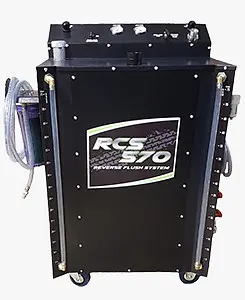
Vehicle cooling systems are critical to engine longevity and overall performance. As engines operate under extreme temperatures, the coolant degrades over time, leading to rust, scaling, and reduced heat transfer. For automotive workshops, providing a comprehensive cooling system service requires reliable equipment. A high-quality radiator flush machine is essential for effectively removing old coolant and contaminants while replacing the fluid with fresh antifreeze. In this guide, we explore the functionality, benefits, and features of coolant service equipment, drawing on the expertise of Kenvo Technology, a trusted manufacturer in the automotive equipment industry. Workshops seeking reliable radiator coolant machine service canada can rely on advanced tools to elevate their service offerings and ensure customer satisfaction.
Understanding the Need for a Radiator Flush Machine
The internal combustion engine generates immense heat. To prevent overheating, the cooling system circulates a mixture of water and antifreeze. However, this mixture does not last indefinitely. Over time, the protective additives in the coolant deplete. The fluid can become acidic, leading to corrosion inside the radiator, heater core, and engine block.
A simple drain and fill often leaves up to half of the old, contaminated coolant in the engine block and heater core. This is where a radiator flush machine becomes indispensable. By forcing cleaning agents and fresh fluid through the entire system, an automotive coolant flush dislodges rust and scale. This process restores the cooling system to optimal efficiency and prevents costly engine failures.
Workshops that invest in a coolant fluid flush machine can significantly reduce service times compared to manual methods. These machines provide a measurable and consistent service, allowing mechanics to document the exact amount of fluid extracted and replaced. This precision eliminates guesswork and ensures the vehicle receives the correct coolant capacity.
How a Coolant Flush Machine Works
Understanding the operational mechanics of a coolant flush machine helps technicians utilize the equipment safely and effectively. The process begins by connecting the machine to the vehicle’s cooling system. Technicians typically connect the equipment through the upper radiator hose or specific service adapters provided with the unit.
Once connected, the machine uses the vehicle’s water pump or its own integrated pump to circulate a proprietary cleaning solution. This solution breaks down sludge, oil contamination, and hardened scale. After the cleaning cycle, the machine extracts the old fluid and replaces it with new coolant. Advanced models perform a vacuum purge, removing air pockets that could otherwise cause localized overheating and damage to the cylinder head.
The best systems also function as a pressure testing coolant machine. After the service is complete, the machine can pressurize the system to check for leaks. This dual functionality ensures that the new coolant remains securely within the system and that the water pump, hoses, and radiator are structurally sound before the vehicle leaves the workshop.
Key Features to Look for in a Radiator Flush Machine
When selecting a radiator flush machine for an automotive workshop, certain features separate standard tools from professional-grade machines. Workshops must evaluate these features to ensure they are making a sound investment that will withstand daily use.
Heating and Pulsating Functions
Some machines are equipped with heaters that warm the flushing agent before it enters the engine. Hot fluid is significantly more effective at dissolving hardened scale and oil sludge. Additionally, machines that use a pulsating flow rather than a steady stream create turbulence within the cooling jackets. This turbulence reaches into tight engine passages, flushing out debris that a standard continuous flow would leave behind.
Built-in Pressure Testing
A quality radiator flush machine often includes integrated pressure testing capabilities. A pressure testing coolant machine allows technicians to verify system integrity before introducing new fluid. If a leak is detected, the mechanic can address it immediately. For high-volume shops, utilizing a machine that combines flushing and pressure testing streamlines operations and reduces diagnostic time.
Adapter Compatibility and Ease of Use
Vehicles use various radiator designs and hose connections. A versatile coolant flush machine must come with a comprehensive set of adapters to fit different makes and models, from light passenger cars to heavy-duty trucks. Quick-connect fittings and intuitive control panels also reduce the learning curve for technicians, ensuring that the service is performed efficiently. To understand more about robust equipment design, you can read about our company and our commitment to manufacturing quality standards.
Comparing Top Radiator Coolant Service Equipment
Not all workshop equipment is created equal. When choosing a coolant flush machine, workshops must compare specific models based on their service volume and technician preferences. Below is a comparison of key features found in professional cooling system equipment.
| Feature | Basic Model | Professional Model |
|---|---|---|
| Fluid Exchange Method | Gravity or basic pump | Powered pump with pulsating flow |
| Old Coolant Removal | Partial | Complete (up to 95 percent) |
| Pressure Testing | Manual hand pump | Integrated digital pressure testing |
| Heating Capability | None | Integrated fluid heater |
| Adapter Set | Basic | Comprehensive vehicle coverage |
| Data Logging | None | Digital display for fluid exchange volume |
Investing in a professional-grade machine provides precise fluid measurement and consistent results. For example, utilizing the RCS 542 radiator coolant service tool gives technicians exact control over the fluid exchange process. Workshops evaluating different models should consider the long-term return on investment. A machine that fully exchanges the coolant and prevents air locks will result in higher customer satisfaction and fewer comebacks.
Benefits of an Automotive Coolant Flush for Workshops
Offering a dedicated cooling system service provides tangible benefits for both the automotive workshop and the customer.
First, it creates a profitable additional service. Routine fluid maintenance is often overlooked by vehicle owners, making it an easy upsell when presented with factual data regarding coolant lifespan. By showing a customer the dirty fluid extracted by the machine, a service advisor can easily demonstrate the necessity of the service.
Second, it prevents major engine repairs. Overheating is a leading cause of catastrophic engine failure. By performing an automotive coolant flush, workshops help their clients avoid blown head gaskets and warped cylinder heads. This proactive maintenance builds trust between the shop and the customer.
Finally, combining cooling system services with other preventative maintenance increases shop efficiency. For example, while the coolant is circulating, technicians can perform additional fluid exchanges using specialized equipment for fuel system service. This multi-tasking approach maximizes bay utilization and revenue per hour.
Step-by-Step Guide to Using a Coolant Fluid Flush Machine
Proper operation of a coolant fluid flush machine ensures safety and effectiveness. While specific instructions vary by model, the general procedure remains consistent across the industry.
- Preparation: Ensure the engine is completely cool to prevent burns. Connect the machine to a shop air supply if required. Position the catch pan and connect the service adapters to the vehicle’s radiator or heater core hoses.
- System Assessment: Use the machine to pressure test the system. If pressure drops, inspect hoses, the radiator, water pump, and heater core for leaks before proceeding with the flush.
- Old Coolant Extraction: Activate the extraction function. The machine will safely remove the old, contaminated coolant into its designated waste tank.
- Cleaning Cycle: Introduce a cooling system cleaner and circulate it through the system. Machines with heating capabilities will warm the fluid to enhance the cleaning action.
- New Coolant Installation: The machine will draw fresh coolant from its supply tank and push it into the vehicle. The system will automatically purge air during this phase to prevent air locks.
- Final Inspection: Disconnect the adapters, top off the reservoir, and run the engine to operating temperature. Check for leaks and verify proper heater operation inside the cabin.
Maintenance and Safety for Your Pressure Testing Coolant Machine
To ensure longevity and accurate operation, workshops must maintain their cooling system equipment. Daily maintenance routines prevent cross-contamination and mechanical failure.
After every service, technicians should empty the waste tank into an approved recycling container. Leaving old coolant in the machine can cause residues to dry and clog internal valves. Regularly inspect the supply and return hoses for cracks or swelling, as pressurized systems will exploit weak spots over time.
Safety is paramount when handling hot fluids and chemical coolants. Technicians should always wear appropriate personal protective equipment, including gloves and safety glasses. When using a machine that heats fluid, be mindful of the surface temperatures on the equipment and the vehicle. Proper ventilation is also necessary to prevent the inhalation of coolant vapors.
To maintain peak performance, workshop managers should ensure their equipment comes from a reliable manufacturer. Reputable brands design their machines with durable components that withstand daily shop abuse. You can explore the full range of Kenvo Technology equipment to find robust, shop-ready tools that meet industry standards.
Frequently Asked Questions (FAQ)
1. How often should an automotive coolant flush be performed?
Most manufacturers recommend an automotive coolant flush every 30,000 to 50,000 miles, or roughly every two to three years. However, this varies based on the vehicle type and the specific coolant used.
2. What is the difference between a drain and a flush?
A drain simply removes the coolant from the radiator and the overflow tank, leaving a significant amount of contaminated fluid in the engine block.
3. Can a coolant flush machine fix a clogged heater core?
Yes, in many cases. Machines that use pulsating flow can break up the scale and debris that restricts flow through the heater core.
4. Is a pressure testing coolant machine necessary for every service?
While not strictly required for a fluid exchange, pressure testing before and after a flush is best practice. It ensures the system can hold the new fluid and verifies that the mechanic did not inadvertently cause a leak during the service.
Conclusion
A reliable radiator flush machine is a fundamental investment for modern automotive workshops. By effectively exchanging old, degraded coolant for fresh fluid, technicians prevent engine overheating, extend vehicle longevity, and increase shop revenue. Features such as pulsating flow, integrated heating, and pressure testing separate standard tools from professional-grade equipment. Workshops that prioritize quality equipment and proper maintenance procedures will see consistent results and higher customer satisfaction.
Upgrading your shop’s fluid service capabilities is a strategic move. Whether you are performing an automotive coolant flush or other routine maintenance, having the right machinery is crucial. To learn more about integrating professional cooling system equipment into your workshop, please Contact us for expert advice and product information.