
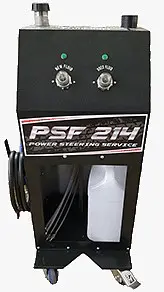
Modern vehicles rely heavily on advanced hydraulic and electric systems to ensure smooth handling and driver comfort. Among these critical systems, the power steering mechanism remains a cornerstone of vehicle control. Over time, the hydraulic fluid within this system degrades due to heat, friction, and continuous use. For auto repair shops, performing a complete fluid replacement is no longer an optional service but a necessary maintenance procedure. Utilizing a dedicated power steering fluid exchanger ensures that the job is done efficiently, safely, and thoroughly.
In this comprehensive guide, we will explore the functionality, benefits, and operational best practices of these essential tools. To provide context and highlight industry standards, we will reference the equipment and solutions developed by Kenvo Technology, a recognized leader in automotive service equipment.
Understanding the Power Steering Fluid Exchanger
A power steering fluid exchanger is a specialized piece of equipment designed to remove old, contaminated power steering fluid and replace it with new fluid simultaneously. Unlike the traditional drain and fill method, which leaves a significant amount of old fluid trapped in the system, an exchanger ensures a complete and thorough fluid transfer.
What is a Power Steering Fluid Exchanger?
The mechanics of a power steering machine involve connecting specialized hoses to the vehicle’s power steering reservoir and return lines. The equipment uses the vehicle’s own power steering pump, or an internal pump mechanism, to push out the old fluid while introducing new fluid into the system. This continuous, closed-loop process prevents air from entering the system, which can cause cavitation and severe damage to the pump.
For auto repair shops, investing in a power steering fluid exchanger machine is a strategic business decision. It standardizes the service, reduces manual labor time, and provides a visible demonstration of value to the customer. Technicians can easily monitor the color difference between the old and new fluid, proving to the customer that the service was necessary and successfully completed.
Why Auto Repair Shops Need a Power Steering Machine
Customer expectations have evolved alongside vehicle technology. Vehicle owners expect their repair shops to provide preventative maintenance that directly addresses component longevity. Dirty fluid is a leading cause of power steering pump failure, rack and pinion leaks, and expensive steering valve malfunctions. By offering a standardized fluid exchange service, shops can increase their revenue streams while providing genuine value to their clients.
Furthermore, technicians are protected from the messy and potentially hazardous process of manually draining hydraulic fluid. Manual draining often involves removing hoses, which leads to fluid spills on the shop floor, creating safety hazards. Facilities looking to upgrade their capabilities often turn to a trusted manufacturer of automotive equipment to ensure they are purchasing durable, accurate, and safe tools.
Benefits of Using a Power Steering Flush Machine
Transitioning from manual fluid changes to an automated power steering flush machine offers several distinct advantages for both the service center and the vehicle owner.
Complete Fluid Replacement
First, it provides a complete exchange. Traditional draining methods only remove about half of the fluid sitting in the reservoir. The remaining old fluid, which is often filled with metal shavings and degraded additives, immediately contaminates the newly added fluid. A machine achieves nearly one hundred percent fluid replacement, ensuring the system operates with clean fluid.
Time and Labor Efficiency
Second, it saves significant time. What used to take an hour of manual labor, including jacking up the vehicle and turning the steering wheel lock to lock by hand, can be completed in fifteen minutes. This efficiency allows shops to optimize their daily schedule and take on more vehicles without compromising service quality.
Preventing System Damage
Third, it prevents costly system damage. Air entering the power steering system during a manual change can burn out the pump quickly. The machine maintains a sealed environment, eliminating the risk of air pockets. For businesses operating in specific regions, accessing specialized power steering machine service canada ensures that the equipment remains calibrated and functional throughout its lifespan, protecting the shop’s investment.
How a Power Steering Fluid Exchanger Machine Works
The operation of a power steering fluid exchanger machine is straightforward but requires attention to detail and adherence to safety protocols. The process generally follows a standardized sequence.
- Preparation: The technician identifies the specific power steering fluid type required by the vehicle manufacturer. Using the wrong fluid can damage seals and cause system failure.
- Connection: The machine’s adapters are connected to the power steering return line and the reservoir. Most modern machines come with a variety of universal adapters to fit different vehicle makes and models.
- Fluid Loading: New, clean fluid is loaded into the machine’s fresh fluid reservoir.
- Exchange Process: The vehicle is started, and the power steering pump activates. The old fluid is pushed out of the steering gear and into the machine’s waste tank. Simultaneously, the machine introduces new fluid into the reservoir.
- Cycling: The technician slowly turns the steering wheel from lock to lock. This action ensures that all the fluid trapped in the steering rack, lines, and cooler is exchanged.
- Completion: The technician monitors the sight glass on the machine. Once the old fluid matches the color of the new fluid, the exchange is complete. The vehicle is turned off, and the machine is safely disconnected.
Choosing the Right Power Steering Machine for Your Shop
Not all fluid exchange equipment is created equal. When selecting a power steering flush machine, auto repair shops must consider several critical factors including compatibility, ease of use, and long term maintenance requirements.
Key Features to Look For
Shops should look for machines that feature universal adapters to accommodate a wide range of vehicles, from domestic trucks to imported sedans. Clear sight glasses are essential for monitoring the fluid color during the exchange. Automatic shut off features are also highly recommended to prevent overfilling the system, which can lead to blown seals. Durable construction is vital because shop equipment must withstand a harsh, high traffic environment.
Manual vs Machine Fluid Exchange
Understanding the operational differences between manual methods and automated equipment helps justify the investment. The table below outlines the primary differences.
| Feature | Manual Drain and Fill | Fluid Exchanger Machine |
|---|---|---|
| Fluid Replacement Percentage | 40 to 50 percent | 95 to 100 percent |
| Labor Time Required | 45 to 60 minutes | 10 to 15 minutes |
| Air Contamination Risk | High | Low |
| Profitability per Service | Low | High |
| Customer Transparency | Low | High |
Equipment Maintenance and Support
To keep the equipment running smoothly, regular maintenance is required. This includes emptying the waste tank regularly, cleaning the internal filters, and inspecting the hydraulic hoses for signs of wear or leaks. Relying on professional power steering machine services guarantees that the equipment operates within manufacturer specifications. Regular servicing prevents inaccurate fluid measurements and mechanical breakdowns that could disrupt daily shop operations.
Expanding Shop Services with Advanced Equipment
Auto repair shops thrive when they can offer comprehensive maintenance solutions under one roof. Adding a fluid exchanger is just one step toward building a complete preventative maintenance program. Shops often bundle this service with other fluid replacements to provide total vehicle care.
Equipping a facility with advanced automotive service equipment ensures that technicians can handle any maintenance request efficiently and accurately. For example, while performing a power steering flush, a shop might also inspect the vehicle’s tire pressure and condition. Utilizing a pure nitro tire inflator alongside fluid exchange services allows shops to maximize the value of every customer visit. Diversifying the equipment lineup is a proven strategy for increasing shop revenue and building long term customer loyalty.
Conclusion
A power steering fluid exchanger is an indispensable tool for any modern auto repair shop looking to improve efficiency and service quality. It transforms a messy, time consuming task into a profitable, streamlined service. By investing in the right equipment, shops can improve customer satisfaction, extend the life of critical vehicle components, and increase their overall profitability. For shops ready to upgrade their service capabilities and integrate professional grade tools into their daily operations, it is important to partner with a reliable provider. If you want to learn more about selecting the right equipment for your facility, please contact us for expert advice and tailored solutions.
Frequently Asked Questions
1. How often should power steering fluid be exchanged?
Most vehicle manufacturers recommend exchanging the power steering fluid every 50,000 miles. However, if the fluid appears dark, smells burnt, or contains visible debris, it should be exchanged immediately regardless of the mileage.
2. Can a power steering fluid exchanger damage the vehicle system?
No. When used correctly by a trained technician, the machine actually protects the system. It prevents air from entering the pump and operates at a safe pressure, reducing the risk of damage compared to manual draining methods which can introduce air pockets.
3. Is a power steering flush necessary for all vehicles?
No. Vehicles equipped with fully electric power steering systems do not use hydraulic fluid and therefore do not require a flush. Always verify the vehicle’s steering system type before attempting to perform the service.
4. What are the signs of bad power steering fluid?
The most common signs include a whining noise when turning the steering wheel, stiff or sluggish steering response, and fluid leaks under the front of the vehicle. Visually, bad fluid will be dark brown or black instead of its original red or amber colour.